“Be my guest,” she said!

Last month, I went to see Beauty and the Beast, performed by students at my kids’ high school. It was magnifique! Especially since I love pretty much anything French. My favorite song was “Be Our Guest.” Formidable!

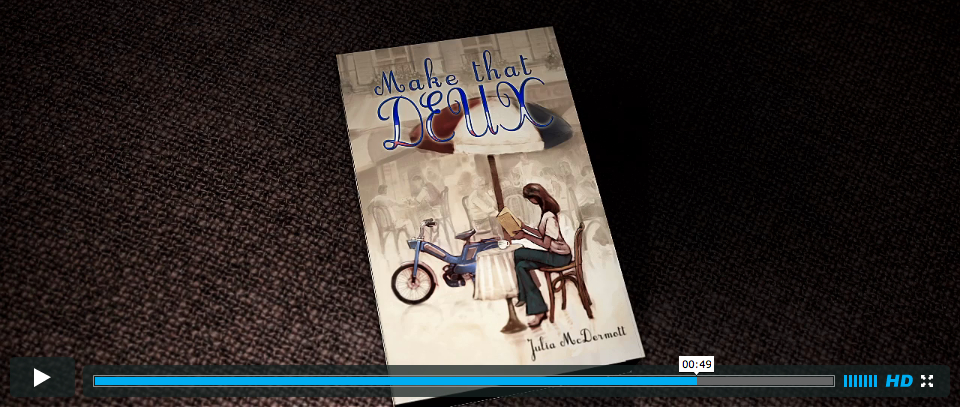
Last week, my new friend Rachelle Ayala invited me to be her guest on her blog. Read about me and my book MAKE THAT DEUX here on her entry of today, April 9, 2013.

Merci, Rachelle!

th

Being thoughtful: la gentillesse, la prévenance, ou l’humeur pensive…

I’m a “thinker” by nature, which works pretty well as an author. But in life, it sometimes presents a challenge.

In English, the word “thoughtful” has different meanings, and in French, there are different words for them. Simply put, la gentillesse veut dire (means) “kindness,” la prévenance veut dire “consideration,” et l’humeur pensive veut dire “pensiveness.”

I strive to practice the first two. After all, being unkind or inconsiderate isn’t very nice. But the last one applies to me as well, and sometimes my tendency to ponder, reflect and ruminate overshadows everything. That’s when I have to be careful to channel my thoughts in the direction of writing (primarily) fiction, since it involves lots of thinking.

pensivejen

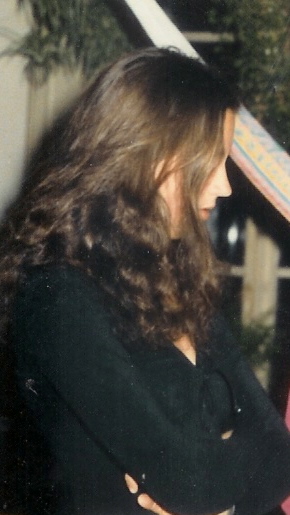
Me, as an exchange student in France. Was I thinking about how I would one day write a novel based on my experience? Qui sait? (Who knows?)

Reflection can lead to empathy, and I’m naturally empathetic, a plus when it comes to creating a character and getting inside his or her head. Imagining what my characters are feeling helps me to know what they should say, what they should do and how they should do it. It’s kind of like being in the creativity “zone.”

However, in real life, (over)thinking can be problematic and even painful – or at least, stressful. I do my best to prevent that, but when it comes down to it, my nature is what it is. Que faire?

Write. That’s what to do.

Because life is full of fodder for novels like the one I wrote, MAKE THAT DEUX (and the one I’m working on now) – and if I don’t think about that, I won’t be able to use it. So really, being a “thinker” is not too bad a thing, and quite useful.

Back to la gentillesse and la prévenance: both are also very useful – and necessary – in life, but not so much in writing a tension-filled story. But creating conflict in fiction doesn’t have to include the opposite of these.

Except for when I’m showing the reader le méchant (the villain)*…

* A major character in my Work-in-Progress.

Habit (partie deux), plateaus and follow-through

“Best advice I’ve ever received: Finish.”

19316

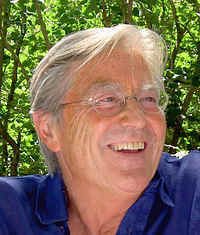
– Peter Mayle

Last June,* I wrote about habit and routines, and my readiness to examine my own. My creative side has always resisted them: I wanted to choose what to do and when to do it, letting spontaneity rule. On the other hand, I was happy I was practicing good health habits (like eating a light, healthy breakfast and exercising regularly) and I was ready to dispose of my bad ones (like drinking too many diet Cokes).

Two truths from a book I had just read were helpful:

1. Replacing a bad habit with a good one works much better than just discarding the bad.

2. Routines save mental energy: you’re freed from making daily choices, and can focus on more important decisions.

I decided it was a mid-year’s resolution time, and I made changes. But it wasn’t until three months later that I began to hold myself accountable to them.

In September, instead of just drinking fewer sodas, I cut them out completely and replaced them with water. I started keeping track of exercise and meals, and when the right choices (soon) became habit, they were much easier to maintain. I felt as though I had discovered the secret (for me) of a healthy lifestyle.

I didn’t make my new choices routines impossible to practice, and since then I’ve stayed on track. Because I was afraid I’d jinx myself (or maybe because I didn’t want to have to defend my decisions), I didn’t tell many people about my newfound resolve or progress. And when others offered unsolicited advice, I smiled, listened, and carried on. What I was doing was working.

I had to be more flexible when it came to my work routines – not what they were, but when to perform them. In the fall, I worked my writing schedule around taking a seriously ill family member to her medical appointments, but I managed to keep it up; thankfully, she’s now healthy again.

Then there was the publication of my novel MAKE THAT DEUX. A short interruption in my writing routine, it took a little time and effort in October to travel from my computer files to e-readers and booksellers. Then, I added marketing to my routine.

But in health – and in writing – I’ve hit some plateaus….which can be very frustrating. I’ve learned something very important about them, though:

photo

Helicopter views of plateaus in the Grand Canyon

photo copy 3

They don’t go on forever…and to get past them, you have to keep going.

I’m an East Coast girl: I love Atlanta and the Appalachian Mountains, where my ancestors lived, and I’m not crazy about the rugged majesty of the Rockies. Sometimes, when I hit a plateau, I feel like I’m out west facing a beckoning frontier, but one that’s not getting any much closer.

Mais, il faut continuer.

Which brings me to follow-through. I like to bring my endeavors to completion – I don’t like to start unless I feel that I will, come what may. It may sound inflexible, but it’s not; flexibility is key to finishing. I try to save my choices for when I’ll need them: to adapt, to redirect, to coach myself, to revise and improve. I’m determined to get it done, so I keep going, and then…I finish.

“Nothing is particularly hard if you divide it into small jobs.”

-Henry Ford

* See my post of June 6, 2012: D’habitude: routine

My most FAQ: la question posée le plus fréquemment, and a diagram

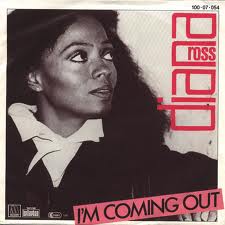
“I’m coming out, I want the world to know, Got to let it show…”

– Diana Ross

images

By far, the most frequently asked question I’m asked about my novel MAKE THAT DEUX is: “Is it autobiographical?”

If you go to the FAQ (Foire aux questions) tab above, you will see at the top:

“Is MAKE THAT DEUX a true story? No, but it is based (loosely!) on a true story.”

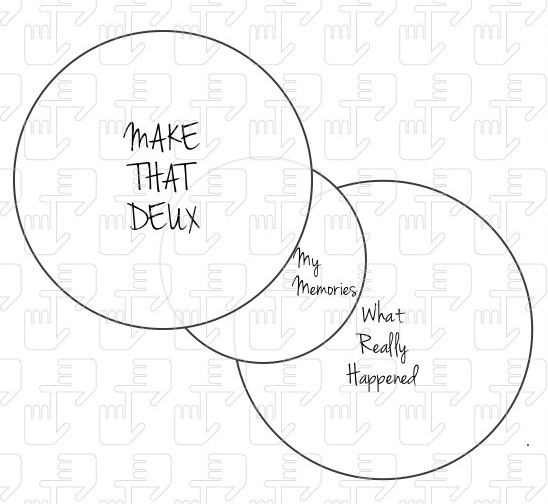
HOW loosely? Regardez: 

photo copy

Not drawn to scale

I must have a bit of French ancestry*, because I like mathematical concepts; quelquefois, my mind just prefers to look at things that way. The above diagram is an example of that, kind of.

Voici l’explication:

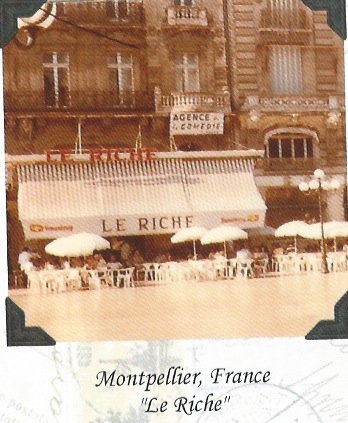
1. What Really Happened – Yes, I really spent the year 1979 – 1980 on UNC’s Junior Year Abroad in Montpellier, France. I arrived in August and came back to “the States” the following June. I left my college boyfriend, with whom I was madly in love, behind in Chapel Hill; we kept in touch with handwritten letters and a few very expensive phone calls. I have documents (and witnesses) to prove all of this.

leriche

2. My Memories – As you can see in the diagram, some of What Really Happened is entrenched in My Memories, but not all. And some of My Memories did not really, well, happen (probably).

Pourquoi? Parce que…hmm.  A., “Studies have shown” that memories tend to center around emotional events. Though I’ve always been a pretty emotional person (hopefully, in a good way), fortunately obviously, not all of my experiences during my year in France were full of drama and emotion. Some of them were though, and those were the only ones I remember.

I think.

Because, B., according to some scientists, “the very act of remembering can change our memories;” for us humans, it may even “be impossible.. to bring a memory to mind without altering it in some way.”

In other words, some of My Memories did NOT really happen (difficult for me to believe, but okay, because that fact was helpful when I wrote my fictional story),

photo copy 2

3. MAKE THAT DEUX – Many of My Memories made it into my novel, but not 100% of them. Simply put, my story was somewhat different than Jenny’s.

And to answer that “autobiographical” question: Look closely at the diagram above and you see that, although My Memories overlap What Really Happened, and MAKE THAT DEUX overlaps My Memories, only a small portion intersects all three areas.

And I’m not “coming out” telling what that portion is…I guess we could say, see #1. above.

Or we could say, qui sait? (who knows?)

Finally, you may be wondering, “So then, what IS that part of MAKE THAT DEUX in the diagram that’s outside of My Memories (and, necessarily, What Really Happened)?”

C’est la FICTION!

“My book’s coming out, I want the world to know, Got to let it show…”

* My mother’s maiden name is Bellamy: Belle Amie?

Paris, Versailles and the Louvre


One of the most fun things about being an author is having to do research.

photo copy 3A view of La Tour Eiffel from the top of the Arc de Triomphe de l’Étoile

My novel MAKE THAT DEUX takes place (mostly) in the south of France, where the protagonist, Jenny Miles, spends a year of college. Before the school year begins though, she visits Paris with the other American students on her Year-Abroad Program.

Last summer, my husband and I spent four days there at the end of our two-week, adventure-filled vacances in Portugal and France. Our time in Paris wasn’t long enough – we weren’t able do as many things as I wanted to do, or to see as much. Cependant (however), maybe it was long enough, because after staying in five other lovely spots (the Algarve, Nice, Aix, Montpellier and Lyon), we were getting tired of traveling. (Oui, we had built too many stops into our itinerary….but we were all alone, sans les enfants, et plein d’énergie!)

We arrived in Paris on a Monday, and we made the most of our time, though the city was crowded with tourists just before the London Olympics. We stayed in a friend’s spacious appartement, conveniently located near the Eiffel Tower and close to a Métro station.

Cathédrale Notre-Dame

photo copy 5

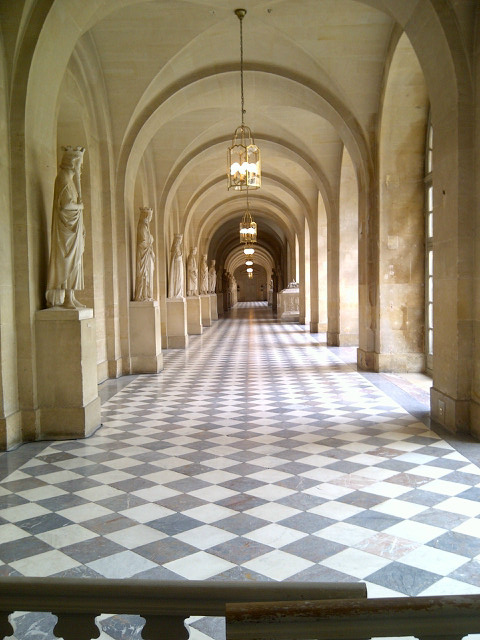
We chose a few things to do, and quickly decided we’d have to plan another trip, stay longer and see more. One day, we ventured to Versailles. I had been there once before, il y a longtemps, with a group of other students on a guided tour. That day, the palace wasn’t very crowded, unlike the day we visited it last summer (though these photos don’t include tout le monde):

photo copy 2

Versailles

photo copy 8

photo copy

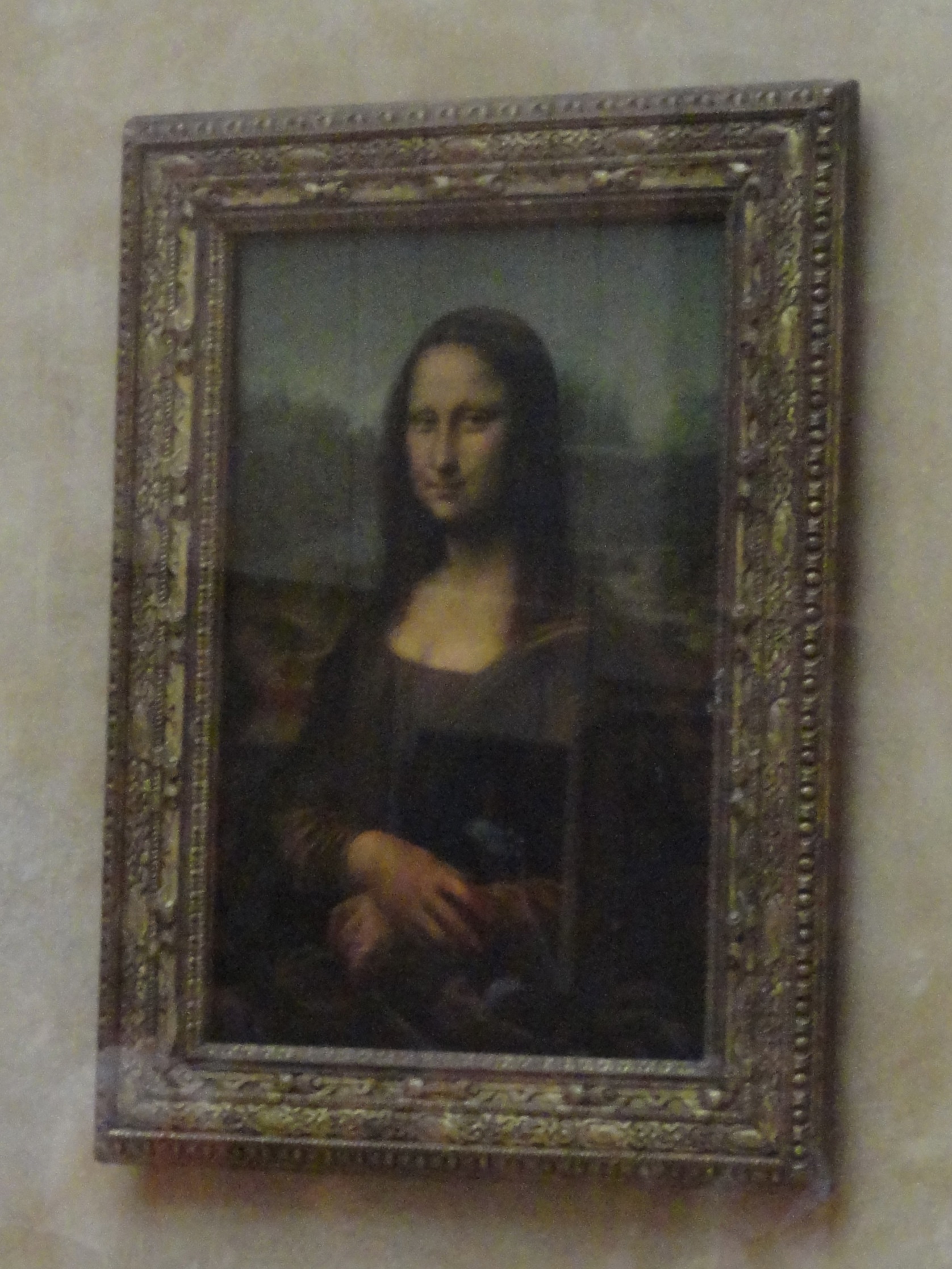
We visited several art and history museums in Nice, Lyon and Paris, and my favorite was the Musée d’Orsay in Paris, parce que j’aime bien les objets d’art impressionistes…But we couldn’t leave France without a visit to the Louvre. It was the first European museum I had visited as a student, way back when, and it had changed. On ce jour-là, I walked right up to the Mona Lisa; now, malheureusement, the Louvre’s most famous work of art must stay well-protected. C’est dommage.

photo copy 4

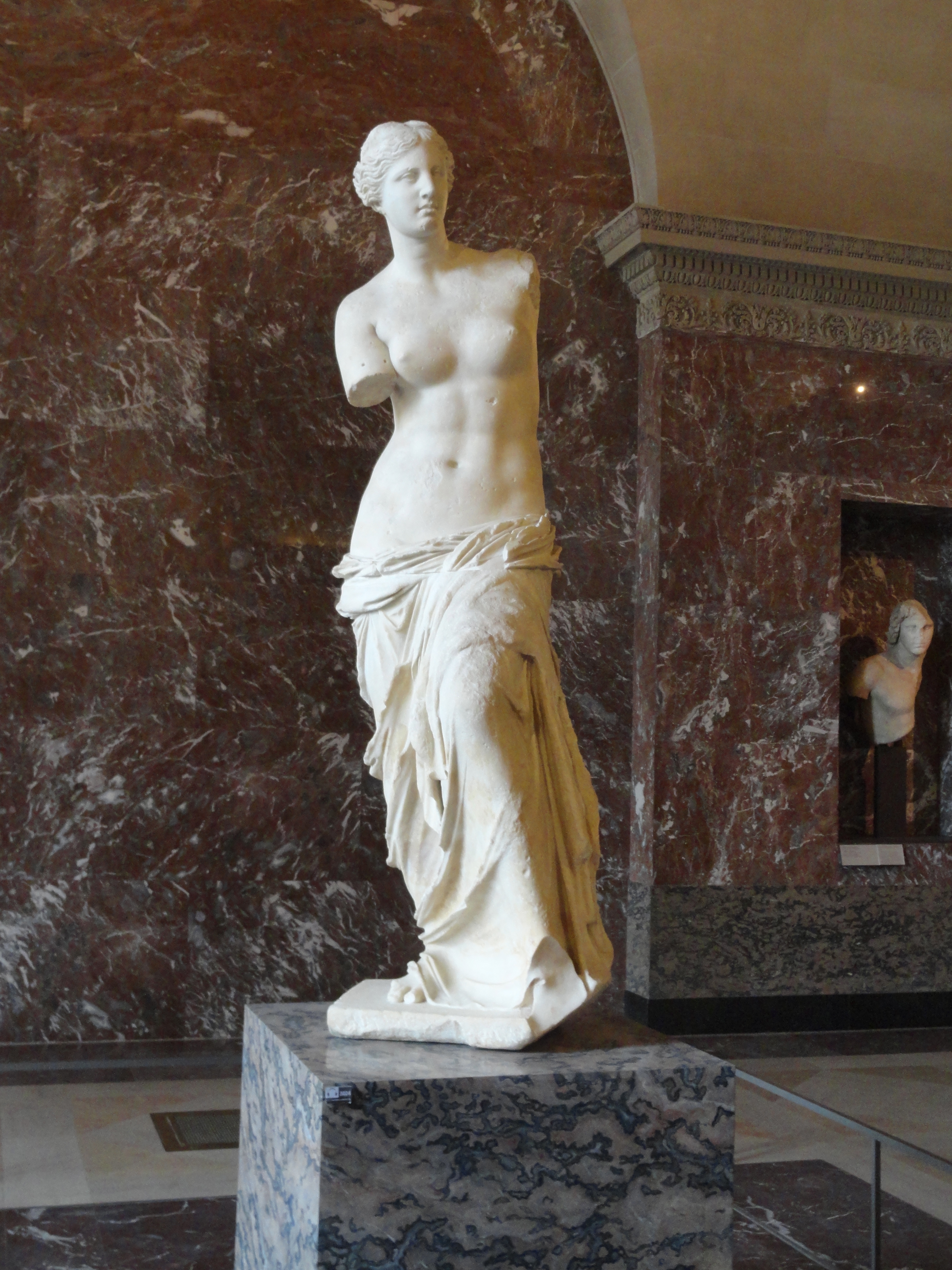
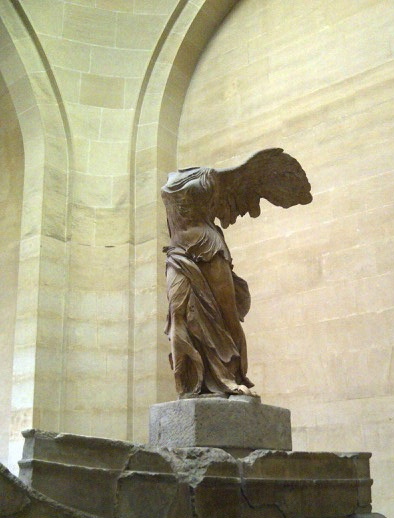
However, we were able to walk right up to two very famous ancient Greek statues housed in the Louvre: Venus de Milo and the Winged Victory of Samothrace, pictured below. We also saw many other less bien connu (and amazing) works of art there, much more than Jenny did in MAKE THAT DEUX.

venusdemilo

Image 17

Our trip to France wasn’t just for la recherche, but “research” was an element très amusant et agréable in our tour de France et de Paris. Mais pour un auteur, toutes les expériences de la vie sont la recherche…

Two, Dos, Deux: as easy as 1, 2, 3

Most people know how to say “two” in Spanish: “dos.” Rhymes with “close,” as in, “Close to You.”

Since my novel MAKE THAT DEUX was published, however, I’ve only heard a few who know how to say “two” in French: “deux.” Rhymes with…hmm.

I can’t think of a rhyme in English that doesn’t have a consonant ending, like “could,” “look,” or “put.” But you can pronounce“deux” – even if you took didn’t take French in high school. N’ayez pas peur (don’t be afraid): make it rhyme with one of the above, leave off that consonant sound, and you’ve got it.

photo

The third word of my novel’s title, taken from the Cover

For a writer, choosing a title for your book is kind of like naming your baby: usually, you give it some serious thought, and it’s not always facile (easy). When you’re writing a novel and you tell others (prematurely) what you’ve decided to name your  baby book, you want to hear them say, “That’s great!” not “Really?”

But once you’ve published your book, the baby’s been born and a name title given. People do in fact say “That’s great!” or even “I love it!” – no matter what they think. They don’t feel as free to tell you their opinion; if they can’t say something nice, they don’t say anything. Plus, like baby names, I believe that titles grow on people, and they come to fit the baby novel. At least, people look for reasons why names titles fit. As a writer, I love it when they find them.

But when people aren’t sure how to pronounce your book’s title (perhaps because you’ve chosen a word from another language?), there could be a problem.

I’ve heard the troisième word of my novel’s title (mis)pronounced as “do” most often. But “Make That Do” suggests something totally different than what I had in mind with “Make That Deux” when I was brainstorming for titles, back whenever-it-was.

I’ve only told a few friends the (English) one-word [working] title of my work-in-progress, a Suspense/Thriller, and so far, reception has been lukewarm. But it hasn’t bothered me because, well, I don’t know why. Perhaps it’s because this book isn’t my first;  I’m not a new parent anymore, I’ve got my own way of doing things now (what works for me), and I’ve got a bit of a thicker skin.

Back to MAKE THAT DEUX:  My book is set in the south of France. If One is the Loneliest Number, and Three‘s a Crowd, Two just seems, well, parfait (perfect). How does the title fit the novel? You’ll have to buy it, and read it, to find out!

“The Funny,” part deux (two)

I’ve never lived in New York, and I’ve never been a nanny – though I had a friend at UNC who was an au pair in France the summer after we both spent our junior year of college there.

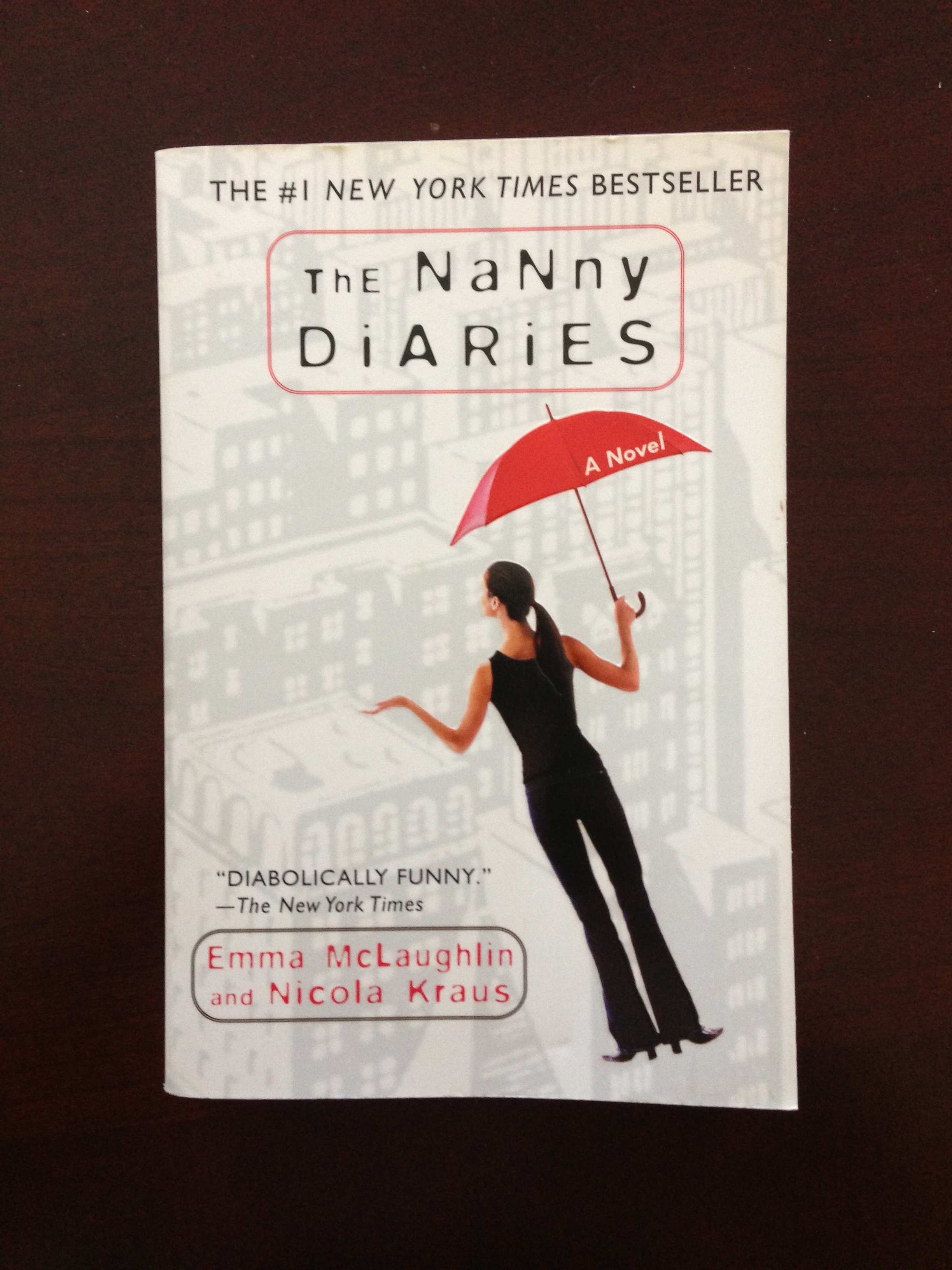
But I did raise four children of my own, sans nanny or day care. So when the book THE NANNY DIARIES by Emma Mclaughlin and Nicola Kraus came out 10 years ago, I loved it, not because it was about bringing up someone else’s a child, but because it’s hilarious!

photo

My copy of THE NANNY DIARIES 

I love to read anything that makes me laugh, and I don’t know why others wouldn’t. I call it “the funny;” it’s a necessary ingredient in some types of fiction and non-fiction. (But not all: the book I’m currently writing is a Thriller, sans badinage, mais c’est une autre histoire…)

Some people have a different sense of humor than mine, and some don’t have one at all. C’est dommage (that’s a shame), à mon avis. For me, being able to laugh with others has been essential, especially during life’s trials.

In my novel MAKE THAT DEUX, Jenny (the protagonist) is 19 turning 20, just a few years younger than Nanny, the au pair in TND.  Like Nanny, she’s dealing with a world very different from the one she’s known: une culture étrangère. Jenny does the best she can, under the circumstances, and (I hope) with a sense of humor. Her story is quite different from Nanny’s, but in a way, Nanny’s story influenced the way I tried to tell Jenny’s: through the eyes of a 20-something young woman who tries to keep her sense of humor while dealing with stress.

Stress isn’t easy, and we all face it now and then, or maybe, continually. Il vaut mieux en rire – it’s better to laugh about it than cry – even if we don’t feel like laughing. But I’ve found that a little levity helps, even in the worst of times.

One of my sons is a brain cancer survivor. He was diagnosed almost 3 years ago, on his 19th birthday. The next 6 months was the most difficult period in our family’s life – and we’ve been through some other serious trials. He underwent two surgeries, one them incredibly scary, and five weeks of radiation therapy. His first “clear” MRI was done that fall, two days before his grandfather, my dad, passed away peacefully at the age of 83.

My son has been cancer-free since then, and when he and I look back at that time, we don’t just remember the shock and fear that we both felt, the tears that we shed. We also recall – and still talk about – the funny things that happened in the midst of it. We thank God – and the talented doctors at Duke – that he survived, and we remember being afraid that he wouldn’t, that he might lose his young life. We weren’t looking for “the funny” then, but somehow we recognized it when we saw it: some of the things that happened made us laugh – out loud. And they still do, today.

Life is precious. Laughter is necessary. My father made me realize that when I was young. His quirky sense of humor was terrific, and he was a great joke-teller.

And he could always find “the funny.”

Why is that funny? and why le rire (laughter) est important

Impropriety is the soul of wit.

– W. Somerset Maugham

I always thought it was brevity…at least, that’s the saying in our house. But this version put a new twist on how to be witty, something I like my literary characters* to be, even if when I’m not.

4176632

images

W. Somerset Maugham

William Shakespeare

We all know that humor is important in life: Laughing makes us happy, and even provides health benefits. Being quick-witted is admired, though we don’t have to be quick  – or really smart – to be witty, or witty, to be smart. But looking for humor in life (and finding it) seems necessary and very important. Through it, “joy happens,” I dare say.

Inside jokes aside, I like laughing about things that others laugh about, and I don’t find it fun to laugh at another’s expense. Maybe because I’m a mom, sarcasm is out, too. I prefer the positive side of humor, not the negative. I love it when something unexpected and silly – maybe just a phrase or a word – makes me laugh uncontrollably (and may even bring tears)..and I love it when others join in. Typically, after several minutes – afraid that I’m going off the deep end – one of my kids brings me back to reality (“Okay, Mom, it’s not that funny.”)

So – why is “that” funny? Different people might have different views: some like slapstick humor, and some prefer the sophisticated kind. But there’s a lot in between. Take Carol Burnett, my favorite comedienne: watching her television show in the 1970s, I knew I would always find her funny, and some synonyms of the word “impropriety” remind me of her humor (goof, gaffe, inelegance and faux pas).

When I started dating (later),  if a guy couldn’t make me laugh, I couldn’t stay interested. It wasn’t that he had to crack jokes or never be serious. But he had to not take himself (or life) too seriously – especially since I had have a tendency to do so. Eventually, I found a partner whose sense of humor was the one for me, and it’s been a vital part of our relationship: I don’t know how we could have gotten this far in life together, without it. Fortunately, he doesn’t need me to make him laugh (though I do, at times, which is a bonus), but he still likes to make me laugh.

And usually without too much impropriety…

* for example, Lisa, one of Jenny’s roommates in my new novel MAKE THAT DEUX.

7 ways Football helps (me) avoid Writer’s Block

The Super Bowl is hours away, and although my beloved Atlanta Falcons aren’t in it (despite coming pretty close, after a FANTASTIC season), I can’t wait to watch le match (and, of course, les publicités – the ads). I haven’t decided whether I want the Ravens or the 49ers to win, and I’m sure both teams have been working very hard – physically and mentally – to prepare. I was also working hard – mentally – last week, adding over 3,000 words (about 12 pages), to my work-in-progress, a Suspense novel.

images

Writing a novel is nothing like playing football, but there are certain parallels. For example, as a writer, there are times when you might get stuck  not know what to write next  wonder if you should just toss the whole thing out  experience writer’s block. In football, I imagine, there are times when you aren’t sure what to do next  can’t get into the end zone  want to give up  are so far behind, coming back seems impossible.

I started to understand love the game of football about the same time I started writing my Romance novel, MAKE THAT DEUX. Though sometimes I’ve struggled to keep going as a writer, I don’t believe in writer’s block. At least, I try my best to avoid it. I think what I’ve learned about football has helped.

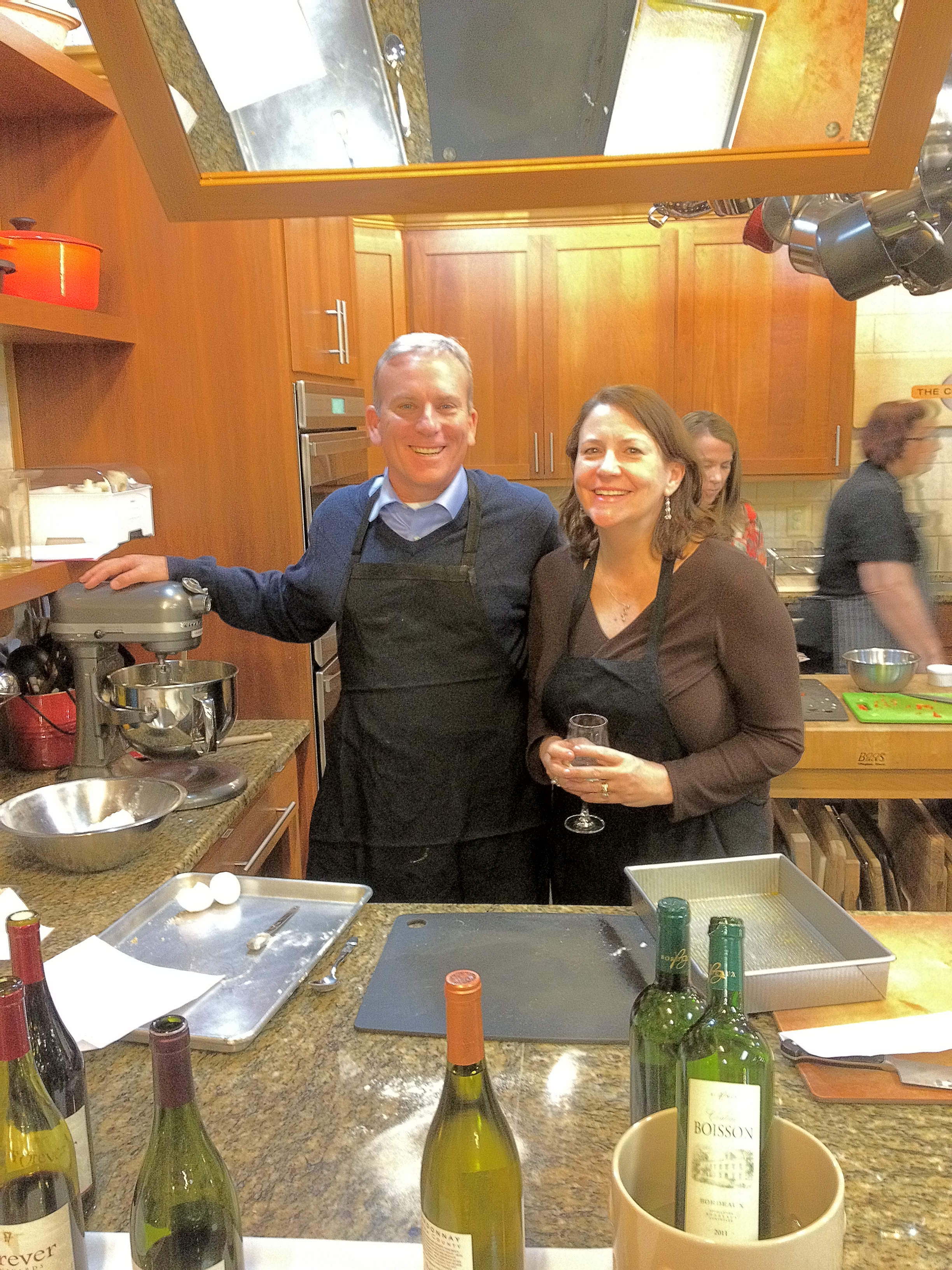
But before I tell you why, a (necessary) backstory. About a week ago, my husband and I were guests at a “hands-on” dinner party: The kind where each couple has gets to help with the cooking. As the evening began, five couples sat at the table drinking wine while Professional Chef Rosemary described the recipes and the process ahead. Each couple would choose a dish to prepare, and with the help of an assistant chef (and pre-measured ingredients), create a contribution to the meal.

Mon mari, being a wonderful cook and très intelligent, listened carefully. When the signal was given, he bolted over to the dessert station, pulling me along with whispered assurances that it would be the easiest dish. He also explained that it had the extra benefit of allowing the two of us time to relax and have another glass of vin while our his creation*  was in the oven.
photo

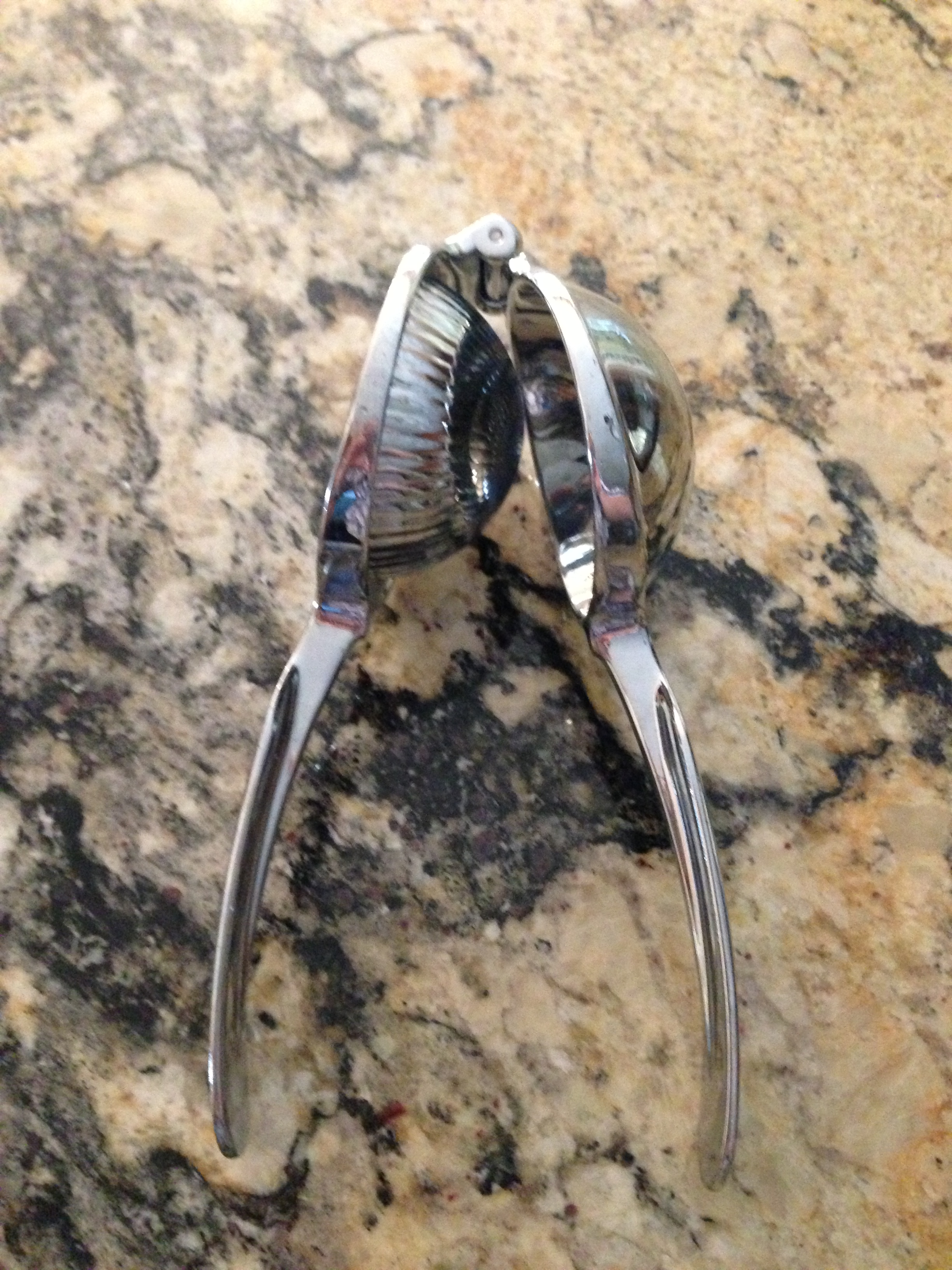
Initially, I helped hovered stressfully around him, and soon our assistant realized it was him that she would be teaching  guiding standing by to watch. As they were discussing the pros and cons of metal versus plastic lemon juicers (she liked plastic), I slipped away. Relieved of duty, I hung out closeby, talking to the other husbands as their wives stirred and sautéed.
photo copy

The metal lemon juicer we have à la maison

We talked a little about football, and then one of the men told the others I was an author and had published a novel. We chatted about my book and then about the one I’m currently working on. When dinner was ready, we all sat down together to a delicious meal.

Afterward, I was asked to speak to the group for a few minutes about writing and answer some questions. One person said he would like to write a book too, and asked me how I overcome writer’s block. I said that if when I come to a point where I can’t continue a project, I work on something else: research, a blog post, marketing MAKE THAT DEUX, or just rereading (and revising) what I’ve written. Then, after a time (hopefully short), I know exactly what comes next in my novel.

Which brings me to football, and my list of ways that it helps me avoid writer’s block:

1. The objective is to advance the ball (or story). Sometimes you don’t get it very far, but if you can just keep making first downs, you’ll get there – and you don’t have to make a first down on every play. But if you give up, or if you’re three-and-out, you’ll have to punt. Not fun.

2. If you’re confused, take a time-out. Then get your head together and come back with a plan.

3. Be open to changing your strategy. Be flexible. What you thought would work may not. If something you’re doing doesn’t help advance the  ball  story, change it. There’s no reason to hold on to a plan that won’t work.

4. You have to work hard, and you can’t let up. You have to work at it, every day (and every play). Well, almost every day. You need some rest days.

5. Be ready to take advantage of opportunities. The unanticipated can happen. When it does, you have to be ready. If you work hard (see #4), you will be.

6. Be patient. Serendipity will find you. Sometimes you get an unexpected break. If you fumble, pick yourself up and keep trying.

7. Never lose sight of the goal. You want to succeed, no matter what is thrown at you (or away from you). Keep working, and it will happen. “Never, never, never give up!”

Go Falcons!

* “Gingerbread with Lemon Curd Cream” – it tasted much better than it sounds!
Create a website or blog at WordPress.com

Up ↑