May in France, and fluency

“Le joli mois de mai, où on ne travaille pas beaucoup!” – mon prof de français
photo

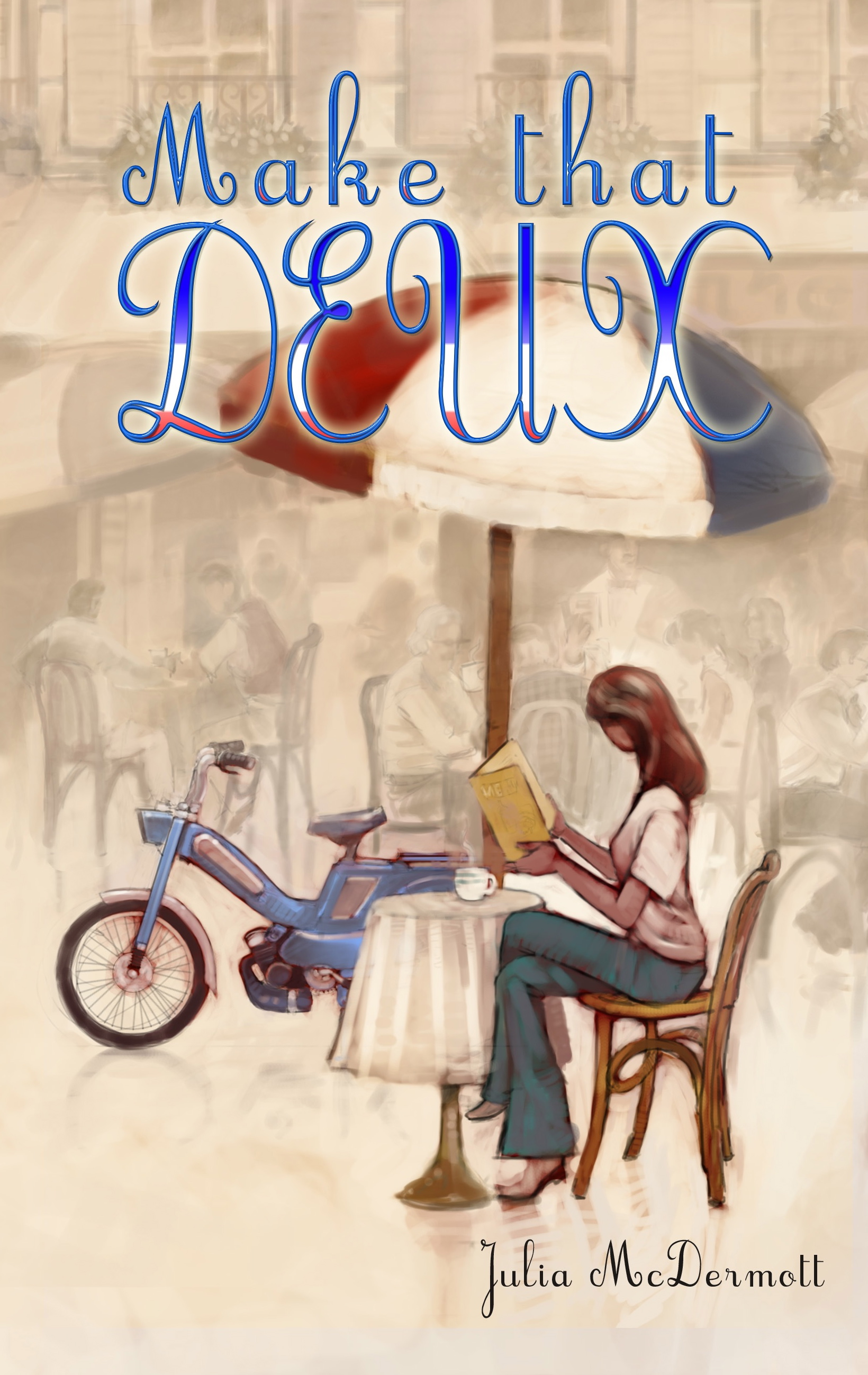
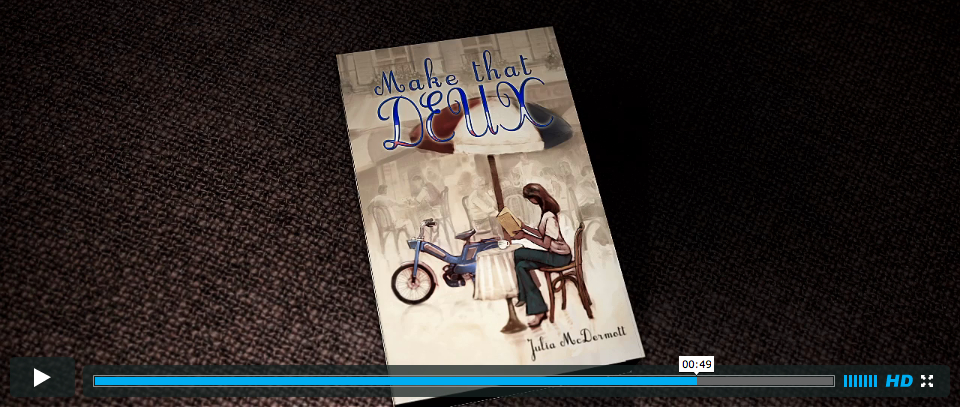
In my novel MAKE THAT DEUX, Jenny’s goal is to become fluent in French. She prepares for her final exams – often the only grade given in a course – by working hard in May, not noticing much about what happens in France that month. When she takes a (final) oral exam, she….

Well, you’ll have to read the book to find out.

During the month of May in France, due to several holidays in quick succession, almost every week-end is a long weekend (on fait le pont). Mais ici, we only have one of those (Memorial Day Weekend), and it happens after all of the French ones.

Yesterday May 1st was la fête du muguet, porte-bonheur et la fête du Travail (Labor Day). Next Wednesday the 8th is la fête historique armistice (WW II Victory in Europe Day). Thursday May 9 is a religious holiday (fête religieuse catholique), l’Ascension, though tout le monde celebrates it, même si they aren’t religious. Ditto for Monday May 20, which is Pentecôte (Pentecost).

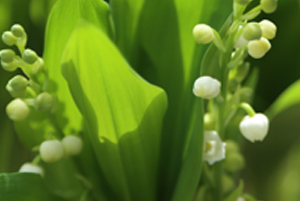
Le muguet (lily-of-the-valley) is la fleur du bonheur: in France, you give loved ones a little bouquet of it for good luck (porte-bonheur) and to celebrate the arrival of le printemps (spring). I suspect that today through Sunday, on fait le pont (everybody takes a long weekend), or maybe just tomorrow through Sunday.
muguet300x200

Le muguet

muguet

Next week, with the 8th and 9th falling on Wednesday and Thursday, I’m not sure what on fait/one does. Perhaps one takes a very long weekend, working only next Monday and Tuesday, in a kind of work-reversal week (2 days on, 5 days off). Sounds very French, I dare say.

The following weekend, one celebrates Pentecôte by taking a third long weekend.

Three long weekends in a row! Quelle bonne idée! On the other hand, could that be exhausting? Peut-être, Monsieur!

First, there’s only so much relaxing one can do; staying busy (working) may be less tiresome. Second, if one travels during a long weekend, it could cost more than staying at home. Even if one visits family (for free), one’s routine is interrupted. Third – well, my husband and I have a saying taken from a WSJ article dated some time ago: “Work is Home, and Home is Work.”

Yes, that’s right: we often feel “at home” when we’re at work (and since I actually work at home, it gets complicated; happily, I have a home office). But when we are at home, we may feel like we are working. Working on our house, our chores, our projects, our parenting (though we’re almost out of that business), our marriage…and beaucoup de choses! 

That doesn’t mean that being at home (and not at work) is hard – but it can be, whether that’s evident admissable to others or not. Which brings me to fluency: the ability to speak a language smoothly and with apparent ease.

Some people have a gift for languages; others claim to be truly fluent when they aren’t (quite). I speak French, though not as well (yet) as I speak English. Fluency in another language can be hard to achieve, unless you learn as a small child. But if you work at it – practice it until you feel at home, no matter how difficult or confusing it may be – at some point it doesn’t feel like work anymore; on ne travaille pas beaucoup!

At least, that’s ce qu’on me dit! (what I’m told!)


Encore: “From the Author, and Behind the Scenes”

My friend Rachelle Ayala featured me and MAKE THAT DEUX in her BookChat post of April 9, 2013 in Rachelle’s Window

Two sections in particular offer some insight about why I wrote the novel, and what was going on in my life while I did…

From the Author:

A new world of adventure and romance opened up to me during my junior year of college when I was an exchange student in the south of France. Instead of living with a French family, however, I shared a beach apartment on the Mediterranean Sea with two other American girls, and I left my boyfriend behind in the U.S., unsure of whether our relationship would survive the time apart.

We three girls bought mopeds (mobylettes) to drive to and from our college campus in Montpellier, France, and we spent the year learning French, traveling and doing everything else that college girls do…

terrace

The year we shared made a big impact on me, and the three of us have stayed in touch since, even as our lives have taken different turns. When my children began growing up and moving out, I considered my long-held dream to become a writer. I decided to draw on my memories of my experience in France and write a novel set in the time I was there.

I felt that Jenny – with her innocence, naiveté and idealism (and that of her two roommates) – could be a fresh character in a literary world sometimes crowded with cynicism. While not everyone would identify with the girls’ belief in “The One,” many would relate to Jenny’s feelings dealing with a long-distance relationship, especially when other appealing men enter her life.

Through Jenny’s story, I wanted to show that even (and maybe, especially) for young people on the threshold of adulthood…

…love is possible and important, and that it’s okay not to want to “do life” alone, and to want to go through life with – and to love – another.

Behind the Scenes:

Lots of things happened while I wrote the book…

I got lots of feedback on different drafts of the story from my Writers Critique Group, several beta-readers, and some interested literary agents. I took all their advice to heart and revised the novel many, many times. I connected with one of the readers, who turned out to be the most helpful, through the friend of a friend.

Before I finished the novel, though, I took a break from writing/revising because one of my sons, age 19, was diagnosed with a brain tumor in May 2010. He had two surgeries and 5 weeks of radiation therapy and was able to go back to college as a sophomore that fall. His second surgery was performed at Duke University Hospital by the renowned neurosurgeon Dr. Allan H. Friedman.

My son faced his illness with courage, strength and hope, and cheered me on in my writing. He is now cancer-free and involved with raising funds for cancer research at his university, and he will graduate later this year.

216225_10150163754899800_58832214799_6473968_7027300_n-1 copy

Just before I published MAKE THAT DEUX, I traveled to France to celebrate a milestone anniversary with my husband. 

DSC00313

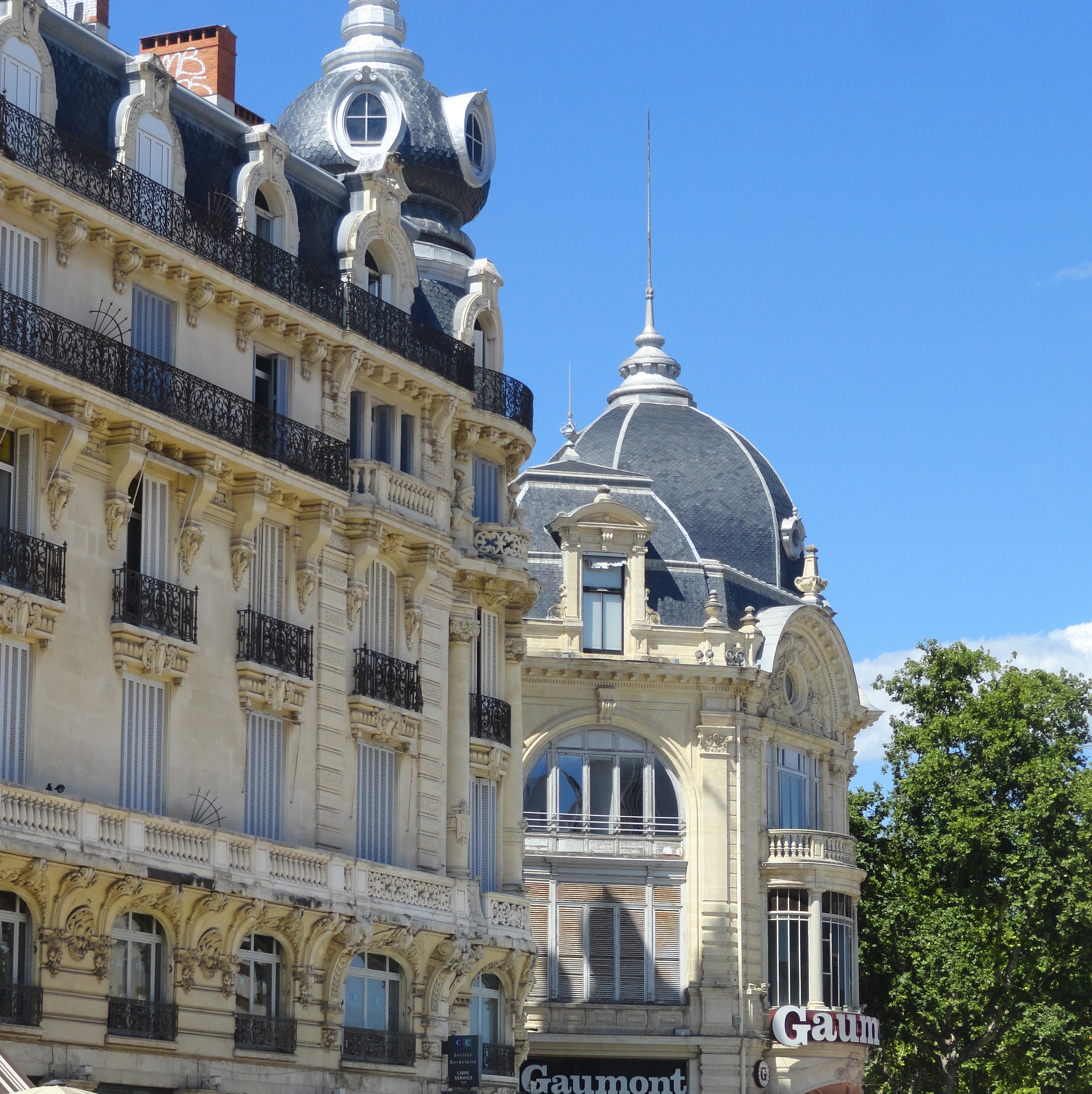
We did a tour of the south of France, visiting Montpellier and Palavas, where I had studied and lived, as well as other lovely spots, then spent several days in Paris. I was thrilled to go back to visit the place where I had spent my year in France and to show it to him.

DSC00307

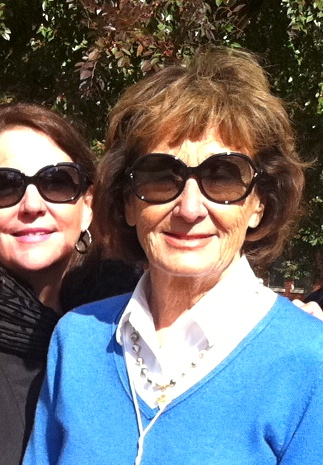
When we returned, my mother was diagnosed with non-hodgkins lymphoma. She moved in with us and had chemotherapy and radiation last fall, and she shared my excitement about publishing my book. Her cancer responded to treatment and she moved back home (a few miles away). She is now cancer-free.”

photo 2Mom and me at her college reunion in fall 2011

Make that TROIS (THREE)! My 3rd Guest Post…Merci!

Jill Edmondson, author of the Sasha Jackson Mysteries, invited me to write a guest post on her BLOG of today, April 17, 2013! Thanks, Jill!

Le sujet?

Dialogue! (and those pesky pronoms relatifs!) Let’s TALK about it!

photo copy 6

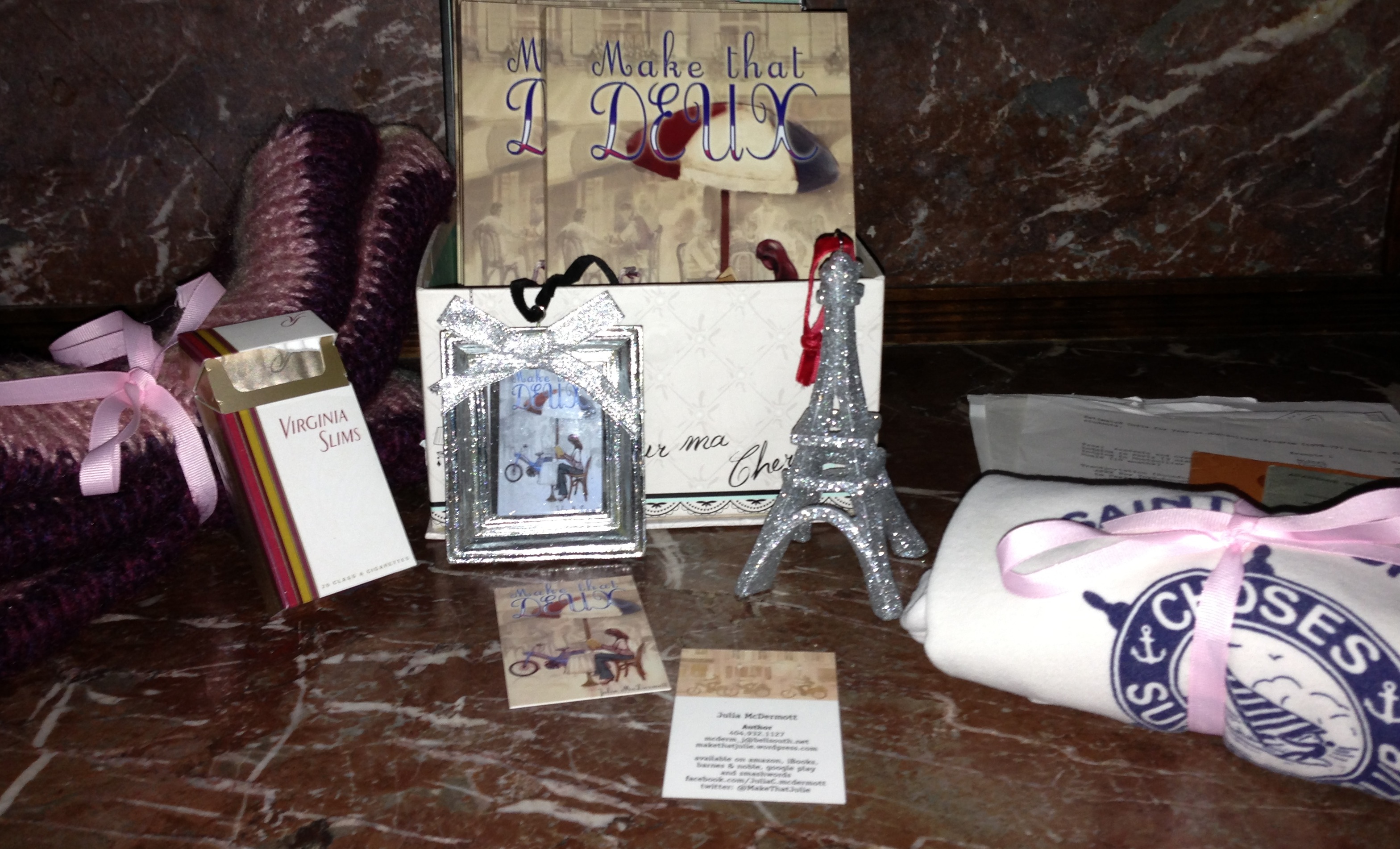
Pre-book club dinner set-up: books + accoutrements. What do you recognize? 

Une interview de 5 questions avec Rona. Merci, Madame!

My friend Rona Simmons has posted her recent interview with me about my novel MAKE THAT DEUX!

You can find mes reponses to her questions on the Review and Interviews page on her blog Write, Write, Write! Here’s part of Rona’s intro:

“As a member of the Atlanta Writers Club — purportedly the largest writer’s organization in the United States — I have had the opportunity to come to know a number of emerging and established writers and to read their works covering  every genre, voice, and style and providing a wealth of innovative, insightful, and interesting reading.
A few weeks ago, I read a novel by fellow member Julia McDermott.  A fun romp, the story follows the college age protagonist as she confronts a number of trials and tribulations during her Junior Year Abroad.  Having learned that Julia herself spent time abroad, I was interested in exploring how much Julia drew from her own circumstances.  I learned this and even more….”

Merci beaucoup, Madame! Voici les questions (cliquez sur son blog pour mes responses, s’il vous plaît): 

1. Describe your book and why you chose to write it

2. What is your favorite passage and why?

3. Can you share the evolution of a few sentences of your writing … one that you labored over, revised and revised, and revised until it was just right and one that flew off the keyboard in final form, why did you make the changes you made to the first one and why did you particularly like the latter as it was?

Image 2

4. How did you edit your manuscript, assuming you did at least some editing yourself?  Did you read it aloud?  What do you think, if you did, reading aloud does that reviewing on screen or in hard copy does not?

 5.   Would you share a favorite passage from one of your favorite authors? What makes this passage special to you?


“Be my guest,” she said!

Last month, I went to see Beauty and the Beast, performed by students at my kids’ high school. It was magnifique! Especially since I love pretty much anything French. My favorite song was “Be Our Guest.” Formidable!

Last week, my new friend Rachelle Ayala invited me to be her guest on her blog. Read about me and my book MAKE THAT DEUX here on her entry of today, April 9, 2013.

Merci, Rachelle!

th

A Pat o’ Butter in a Sea o’ Grits

Growing up in Atlanta in a family where the father did the cooking, I never realized that grits were a southern dish.

My parents were born and raised in southwest Virginia, went to college and got married in Tennessee, and “moved away from there” as young parents, before I came along…to Indiana, Texas, Massachusetts, Missouri and finally, Georgia.

But everywhere they lived, la cuisine chez nous was distinctly southern. Tomato Gravy, or Sausage Gravy, and Buttermilk Biscuits, made from scratch. Apple Butter. Country Ham and Red Eye Gravy. Potato Cakes. Chicken and Dumplings. Cornbread. Sweet Tea. Fried Green Tomatoes. Sweet Potato Casserole. Sometimes, Breakfast for Dinner.

And Grits.

I married a Yankee who had never heard of them, and whose talents as a chef  (later on) rivaled surpassed my father’s. Mon mari grew up in a big family where the mom had a weekly dinner menu: Monday was hamburgers, Tuesday was spaghetti, Wednesday was hot dogs, Thursday was chicken, and Friday was grilled cheese and tomato soup.

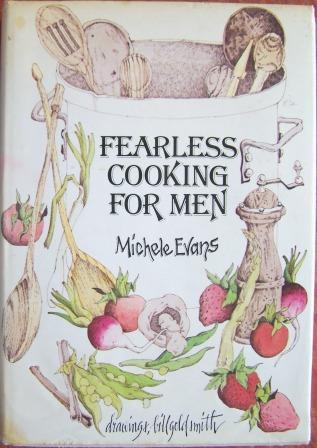
So, when he was in college in Chapel Hill, North Carolina, and his uncle sent him the cookbook  Fearless Cooking for Men, he decided to learn to cook.

514WBfG1zxL

With simple, tasty recipes, the world of cooking opened up to him. He enjoyed the benefits of making dinner in his dorm room and off-campus apartment: it was cheaper than going out, and convenient on the weekend, with his weekday-only student meal plan.

And it was a great way to a woman’s my heart.

Over the years, he’s evolved into a gourmet chef. His cookbook library has grown to include a variety of cuisines, including all of Julia Child’s recipes – she’s a favorite, and we both love la cuisine française. He’s also become acquainted with southern dishes, and introduced me to “northern” ones and their accoutrements.

Creamed Onions. Turnips. String Beans. “Southern” Fried Chicken (I always thought it was just Fried Chicken, but they add a qualifier.) Corn Fritters. Rolls (in place of biscuits, and store-bought). Ketchup on Scrambled Eggs.

I’ve adopted that last one, and for family birthday meals, “Southern” Fried Chicken and Corn Fritters are a tradition, but at least I don’t put maple syrup on mine. The rest of the above dishes are just, well, not me. At my urging, my husband has tasted grits, but he doesn’t love them and has never cooked them (even though they’re great with butter*).

Which brings me to the title of this post: another name for Chapel Hill, North Carolina.

uncball

I didn’t hear the Southern Part of Heaven** described that way until I met him, just after I turned eighteen. But “a pat o’ butter in a sea o’ grits” seemed perfect: if North Carolina (my second favorite state) is the grits, then yes, Chapel Hill is the pat of butter in the middle, dressing it up and making that tasty, buttery difference.

Other than my first Christmas break, the next summer, and ten months in the south of France – the experience on which my novel MAKE THAT DEUX is drawn –  I spent as much time as I could in Chapel Hill between 1977 and 1981. My year in France was wonderful, but the tradeoff was missing a year in Chapel Hill and UNC, the most beautiful college campus in le monde

My daughter just found out she’s been accepted there as a freshman this fall, and she’s thrilled to be a Tar Heel. I’m not sure if she likes grits as much as I do, but I know she’s a big fan of butter.

photo

* See my post of October 3, 2012: What would Julia do? Faire la cuisine française.

** also known as a little slice of heaven…

A (baker’s) dozen little-known facts – about me

Look for my BOOK TRAILER to be released soon for MAKE THAT DEUX!

While I wait for the finishing touches on it, here’s some trivia about me. My family (and relatives) know most of these faits peu connus (some of which are a bit embarrassante), but the rest of the world may not:

1. When I lived in France for a year as an exchange student, I didn’t (yet) have a driver’s license. But it wasn’t necessary to have one to drive a moped (mobylette). Phew!

photo copy 3

Not my mobylette, but the same color mine was. (Why didn’t I take a picture? Because cameras – and film – were expensive!)

2. Since my birthday is October 20, I was always one of the oldest in my class growing up (when I started 1st grade, you had to be 6 years old by Oct. 1). In 9th grade, I set out to finish high school in 3 years, which I did, tying with another girl for 1st in my class. When I started at UNC, I was 17.

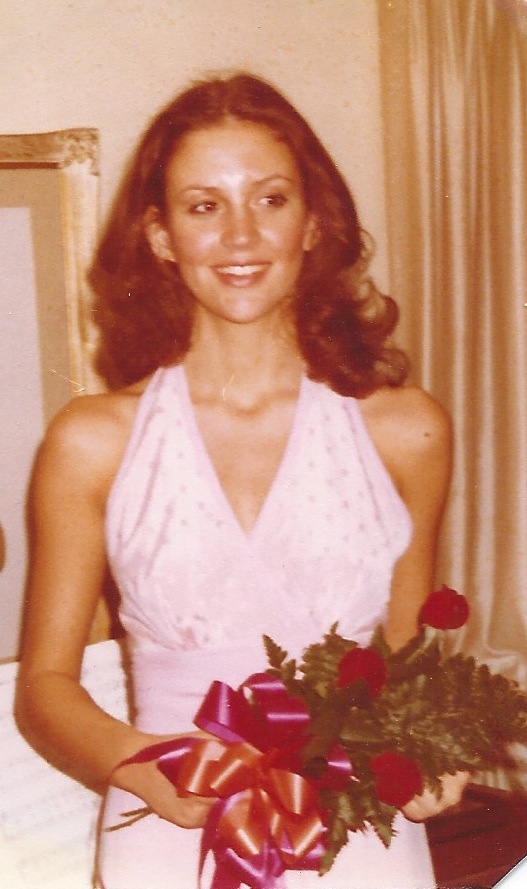
3. I was 2nd-runner-up in my high school beauty pageant (“Miss Tiger”).

Scan 5

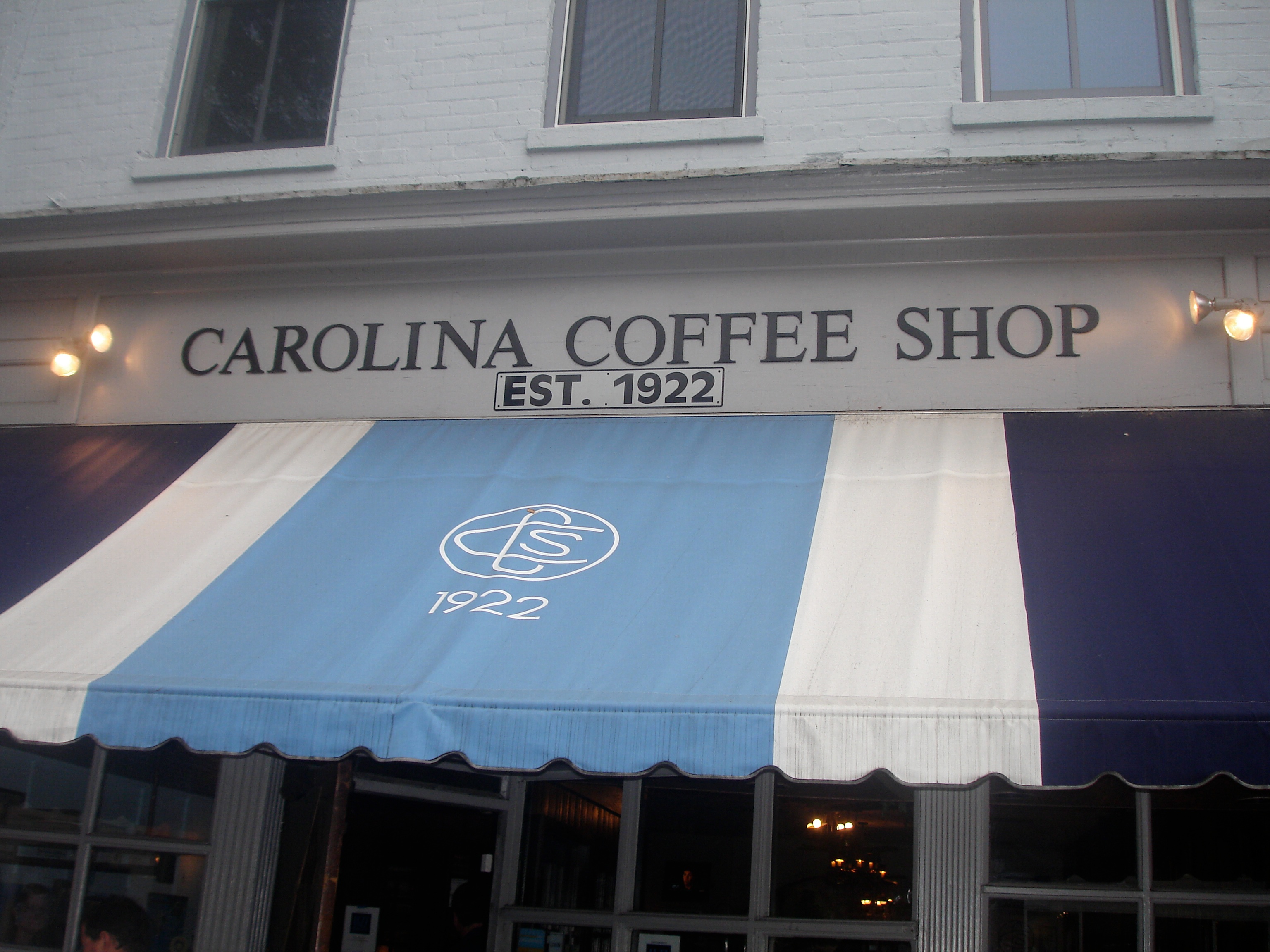
4. I worked at the Carolina Coffee Shop on Franklin Street (and other restaurants) when I was a student in Chapel Hill, and I once waited on Alan Alda. I don’t remember getting a big tip…

photo copy 4

5. I didn’t get my ears pierced until I was 26 years old and pregnant with twins, & I’ve never had another ear piercing (or any other kind).

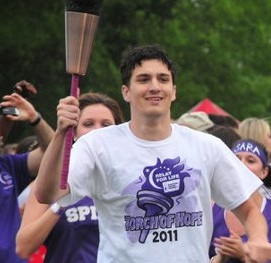
6. One of my sons is a brain cancer survivor and was operated on by a renowned Duke neurosurgeon.* My son is doing terrific now & is involved in Relay for Life at UGA, which helps raise funds for cancer research.

photo

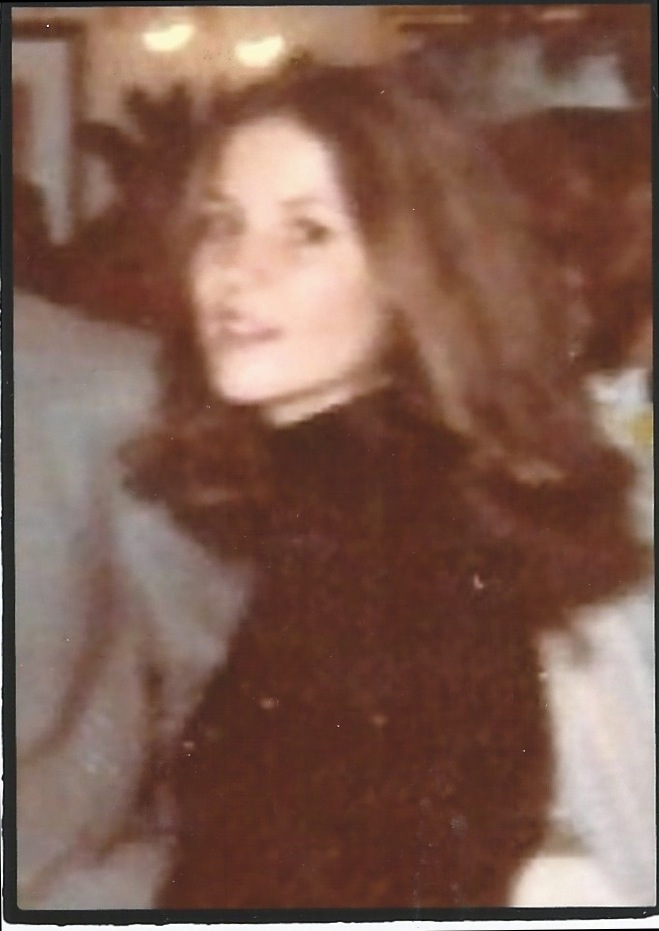
7. I don’t wear bracelets or turtlenecks (though I used to wear both, but only once in a blue moon).

Scan 4

As a college freshman, wearing one of the two turtlenecks I remember ever owning.

8. I’m a slow reader, and always struggled to make A’s in English (which I did in high school, but not in college…Oops!)

9. Maybe because I’m very nearsighted (and my parents didn’t realize that until I was 12), I didn’t learn to ride a bicycle until I was 10 years old. I couldn’t see the ground in front of me!

10. I don’t get seasick, but I do get migraines occasionally.

11. My hair is naturally curly, and while my kids were growing up, I experimented with many different hairstyles and lengths.

headshot

Me when my third child was a toddler and my twins were in 1st grade

12. I left the promising field of computers and technology in the mid 1980s to stay home and raise my 4 children for 20 years, during which my family moved across the country 4 times.

13. I don’t know how to cook (much)…actually, that’s a well-known fact about me!

 * Dr. Allan H. Friedman, Neurosurgeon-in-Chief, Duke University Hospital; the same doctor who operated on Senator Ted Kennedy several years ago.

Being thoughtful: la gentillesse, la prévenance, ou l’humeur pensive…

I’m a “thinker” by nature, which works pretty well as an author. But in life, it sometimes presents a challenge.

In English, the word “thoughtful” has different meanings, and in French, there are different words for them. Simply put, la gentillesse veut dire (means) “kindness,” la prévenance veut dire “consideration,” et l’humeur pensive veut dire “pensiveness.”

I strive to practice the first two. After all, being unkind or inconsiderate isn’t very nice. But the last one applies to me as well, and sometimes my tendency to ponder, reflect and ruminate overshadows everything. That’s when I have to be careful to channel my thoughts in the direction of writing (primarily) fiction, since it involves lots of thinking.

pensivejen

Me, as an exchange student in France. Was I thinking about how I would one day write a novel based on my experience? Qui sait? (Who knows?)

Reflection can lead to empathy, and I’m naturally empathetic, a plus when it comes to creating a character and getting inside his or her head. Imagining what my characters are feeling helps me to know what they should say, what they should do and how they should do it. It’s kind of like being in the creativity “zone.”

However, in real life, (over)thinking can be problematic and even painful – or at least, stressful. I do my best to prevent that, but when it comes down to it, my nature is what it is. Que faire?

Write. That’s what to do.

Because life is full of fodder for novels like the one I wrote, MAKE THAT DEUX (and the one I’m working on now) – and if I don’t think about that, I won’t be able to use it. So really, being a “thinker” is not too bad a thing, and quite useful.

Back to la gentillesse and la prévenance: both are also very useful – and necessary – in life, but not so much in writing a tension-filled story. But creating conflict in fiction doesn’t have to include the opposite of these.

Except for when I’m showing the reader le méchant (the villain)*…

* A major character in my Work-in-Progress.

Habit (partie deux), plateaus and follow-through

“Best advice I’ve ever received: Finish.”

19316

– Peter Mayle

Last June,* I wrote about habit and routines, and my readiness to examine my own. My creative side has always resisted them: I wanted to choose what to do and when to do it, letting spontaneity rule. On the other hand, I was happy I was practicing good health habits (like eating a light, healthy breakfast and exercising regularly) and I was ready to dispose of my bad ones (like drinking too many diet Cokes).

Two truths from a book I had just read were helpful:

1. Replacing a bad habit with a good one works much better than just discarding the bad.

2. Routines save mental energy: you’re freed from making daily choices, and can focus on more important decisions.

I decided it was a mid-year’s resolution time, and I made changes. But it wasn’t until three months later that I began to hold myself accountable to them.

In September, instead of just drinking fewer sodas, I cut them out completely and replaced them with water. I started keeping track of exercise and meals, and when the right choices (soon) became habit, they were much easier to maintain. I felt as though I had discovered the secret (for me) of a healthy lifestyle.

I didn’t make my new choices routines impossible to practice, and since then I’ve stayed on track. Because I was afraid I’d jinx myself (or maybe because I didn’t want to have to defend my decisions), I didn’t tell many people about my newfound resolve or progress. And when others offered unsolicited advice, I smiled, listened, and carried on. What I was doing was working.

I had to be more flexible when it came to my work routines – not what they were, but when to perform them. In the fall, I worked my writing schedule around taking a seriously ill family member to her medical appointments, but I managed to keep it up; thankfully, she’s now healthy again.

Then there was the publication of my novel MAKE THAT DEUX. A short interruption in my writing routine, it took a little time and effort in October to travel from my computer files to e-readers and booksellers. Then, I added marketing to my routine.

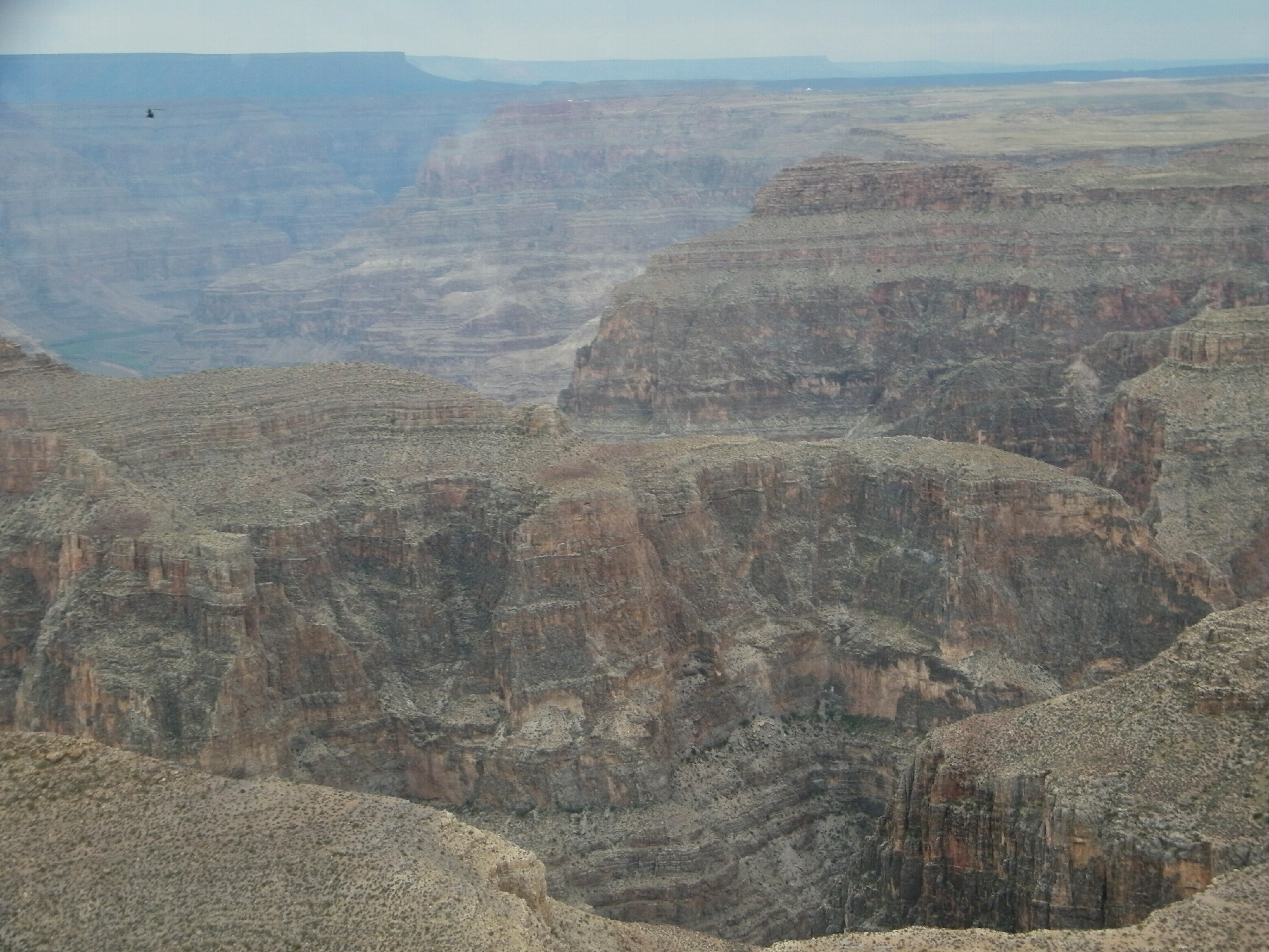
But in health – and in writing – I’ve hit some plateaus….which can be very frustrating. I’ve learned something very important about them, though:

photo

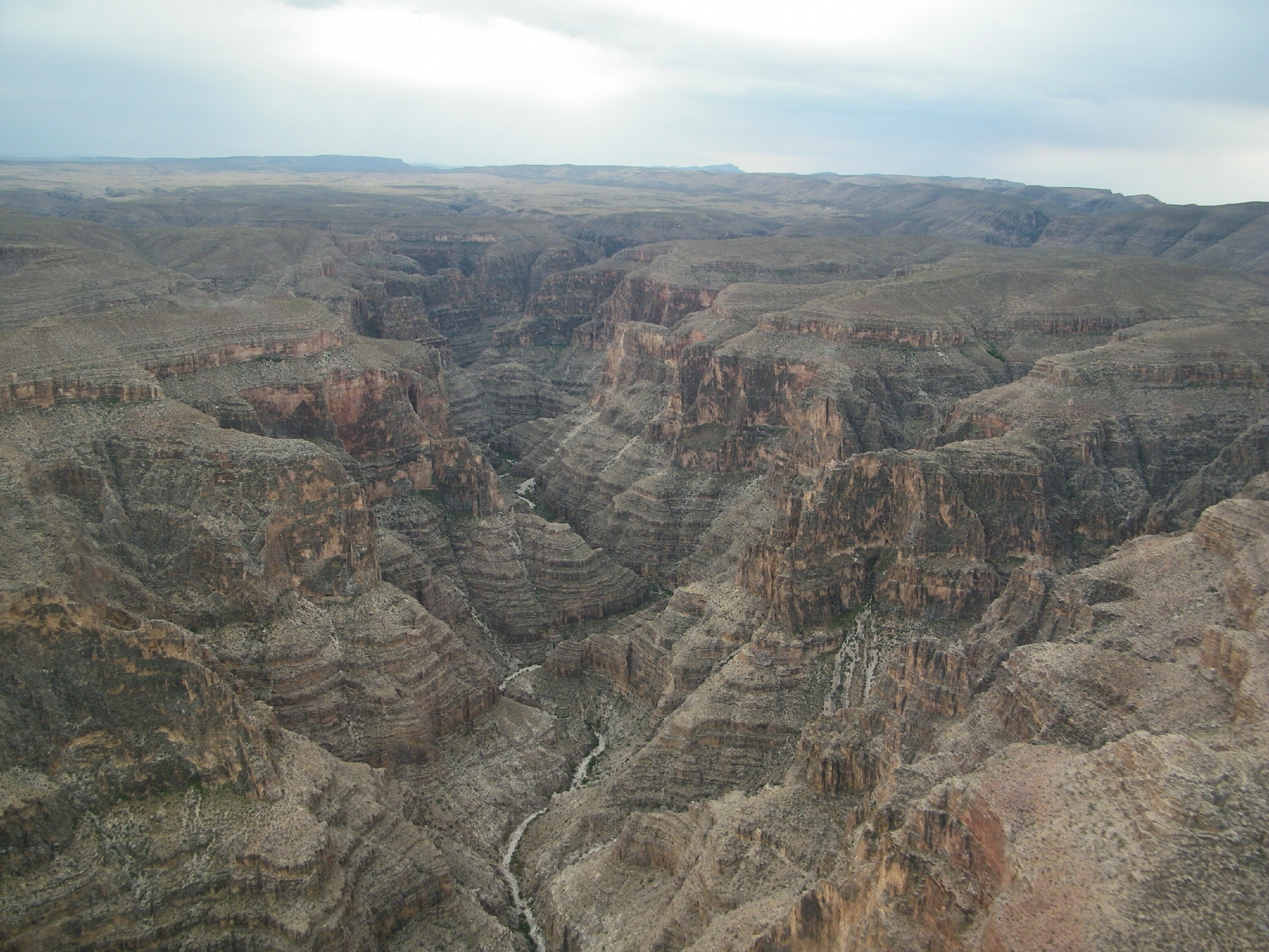
Helicopter views of plateaus in the Grand Canyon

photo copy 3

They don’t go on forever…and to get past them, you have to keep going.

I’m an East Coast girl: I love Atlanta and the Appalachian Mountains, where my ancestors lived, and I’m not crazy about the rugged majesty of the Rockies. Sometimes, when I hit a plateau, I feel like I’m out west facing a beckoning frontier, but one that’s not getting any much closer.

Mais, il faut continuer.

Which brings me to follow-through. I like to bring my endeavors to completion – I don’t like to start unless I feel that I will, come what may. It may sound inflexible, but it’s not; flexibility is key to finishing. I try to save my choices for when I’ll need them: to adapt, to redirect, to coach myself, to revise and improve. I’m determined to get it done, so I keep going, and then…I finish.

“Nothing is particularly hard if you divide it into small jobs.”

-Henry Ford

* See my post of June 6, 2012: D’habitude: routine

Create a website or blog at WordPress.com

Up ↑