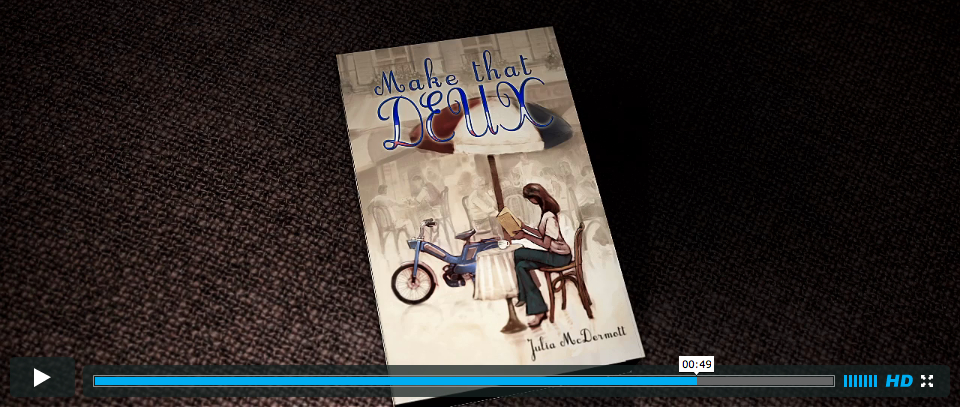
Voici ma vidéo….!
https://vimeo.com/62004504
From storyboard to final release, it was a pleasure to work with Frank Martin, who did the animation for my Book Trailer! Merci, Monsieur!
Alors, qu’est-ce que vous en pensez? (What do you think?)
Voici ma vidéo….!
From storyboard to final release, it was a pleasure to work with Frank Martin, who did the animation for my Book Trailer! Merci, Monsieur!
Alors, qu’est-ce que vous en pensez? (What do you think?)
Look for my BOOK TRAILER to be released soon for MAKE THAT DEUX!
While I wait for the finishing touches on it, here’s some trivia about me. My family (and relatives) know most of these faits peu connus (some of which are a bit embarrassante), but the rest of the world may not:
1. When I lived in France for a year as an exchange student, I didn’t (yet) have a driver’s license. But it wasn’t necessary to have one to drive a moped (mobylette). Phew!
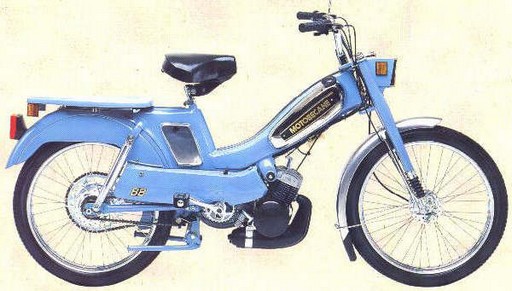
Not my mobylette, but the same color mine was. (Why didn’t I take a picture? Because cameras – and film – were expensive!)
2. Since my birthday is October 20, I was always one of the oldest in my class growing up (when I started 1st grade, you had to be 6 years old by Oct. 1). In 9th grade, I set out to finish high school in 3 years, which I did, tying with another girl for 1st in my class. When I started at UNC, I was 17.
3. I was 2nd-runner-up in my high school beauty pageant (“Miss Tiger”).
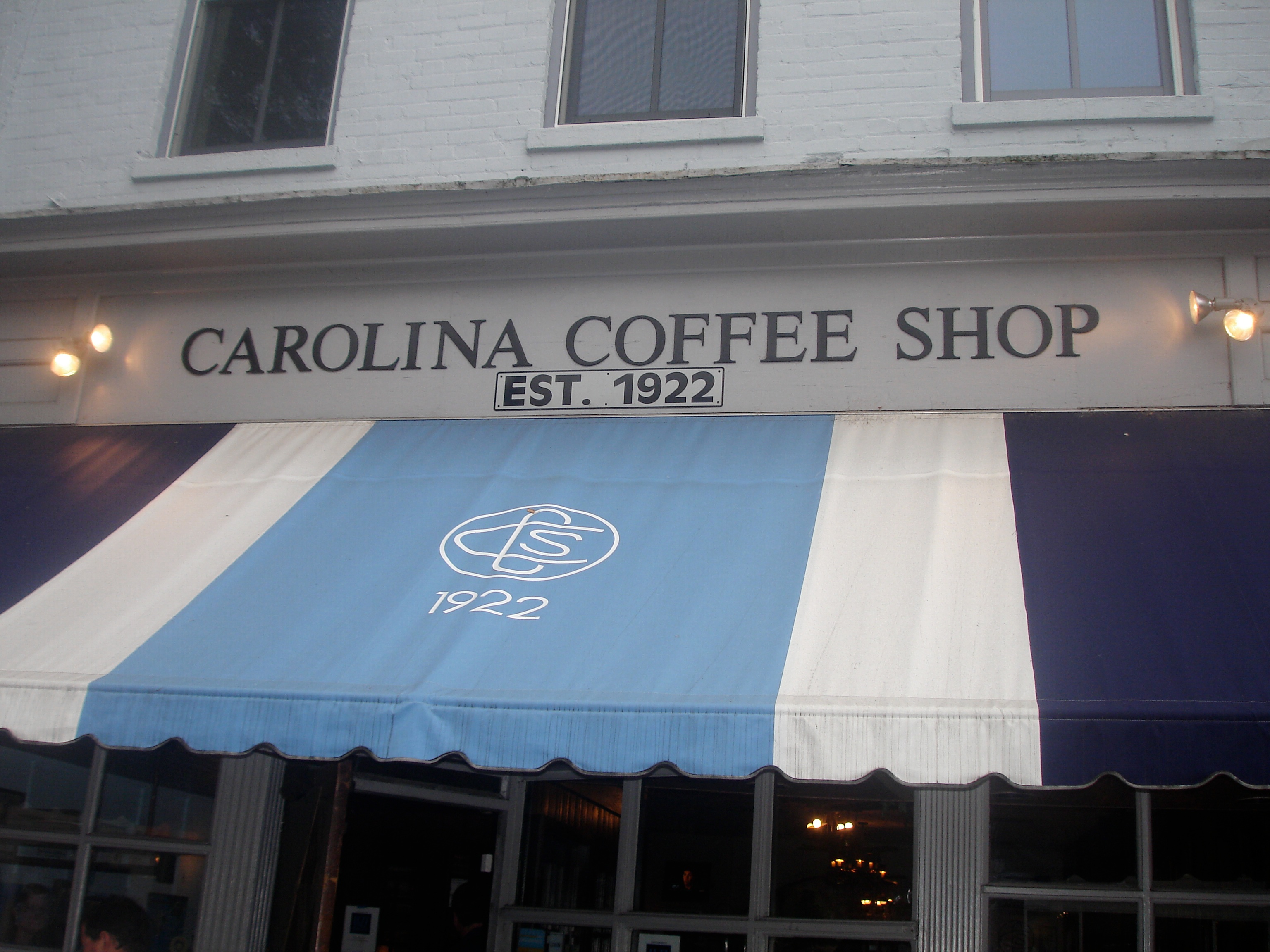
4. I worked at the Carolina Coffee Shop on Franklin Street (and other restaurants) when I was a student in Chapel Hill, and I once waited on Alan Alda. I don’t remember getting a big tip…
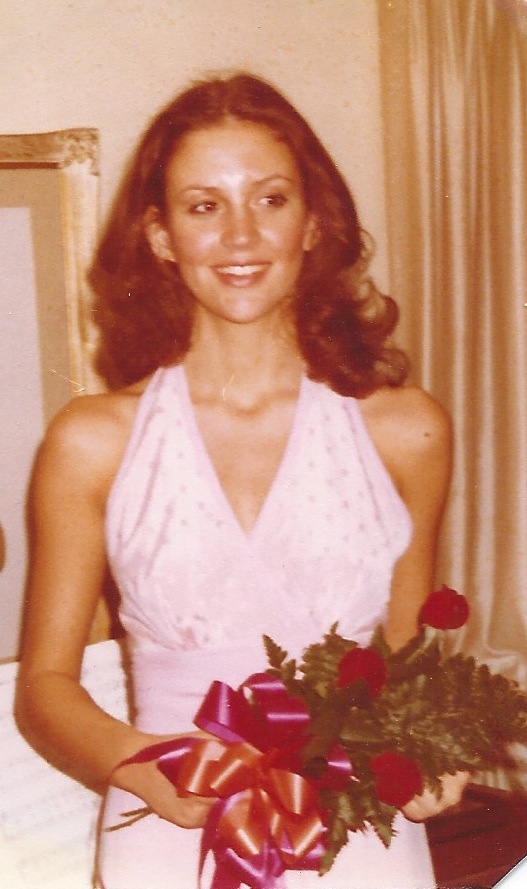
5. I didn’t get my ears pierced until I was 26 years old and pregnant with twins, & I’ve never had another ear piercing (or any other kind).
6. One of my sons is a brain cancer survivor and was operated on by a renowned Duke neurosurgeon.* My son is doing terrific now & is involved in Relay for Life at UGA, which helps raise funds for cancer research.
7. I don’t wear bracelets or turtlenecks (though I used to wear both, but only once in a blue moon).
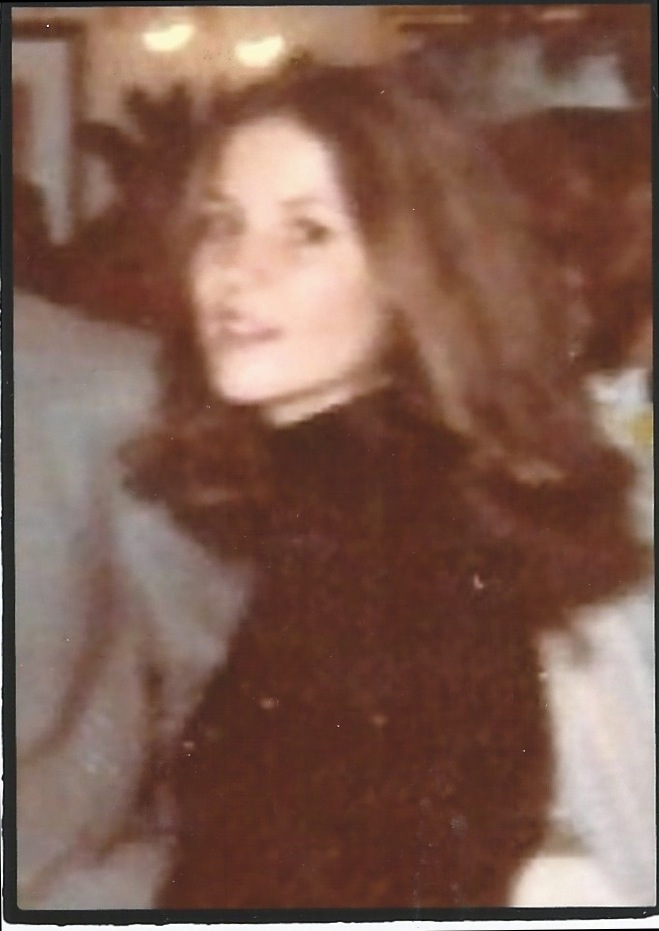
As a college freshman, wearing one of the two turtlenecks I remember ever owning.
8. I’m a slow reader, and always struggled to make A’s in English (which I did in high school, but not in college…Oops!)
9. Maybe because I’m very nearsighted (and my parents didn’t realize that until I was 12), I didn’t learn to ride a bicycle until I was 10 years old. I couldn’t see the ground in front of me!
10. I don’t get seasick, but I do get migraines occasionally.
11. My hair is naturally curly, and while my kids were growing up, I experimented with many different hairstyles and lengths.
Me when my third child was a toddler and my twins were in 1st grade
12. I left the promising field of computers and technology in the mid 1980s to stay home and raise my 4 children for 20 years, during which my family moved across the country 4 times.
13. I don’t know how to cook (much)…actually, that’s a well-known fact about me!
* Dr. Allan H. Friedman, Neurosurgeon-in-Chief, Duke University Hospital; the same doctor who operated on Senator Ted Kennedy several years ago.
I’m a “thinker” by nature, which works pretty well as an author. But in life, it sometimes presents a challenge.
In English, the word “thoughtful” has different meanings, and in French, there are different words for them. Simply put, la gentillesse veut dire (means) “kindness,” la prévenance veut dire “consideration,” et l’humeur pensive veut dire “pensiveness.”
I strive to practice the first two. After all, being unkind or inconsiderate isn’t very nice. But the last one applies to me as well, and sometimes my tendency to ponder, reflect and ruminate overshadows everything. That’s when I have to be careful to channel my thoughts in the direction of writing (primarily) fiction, since it involves lots of thinking.
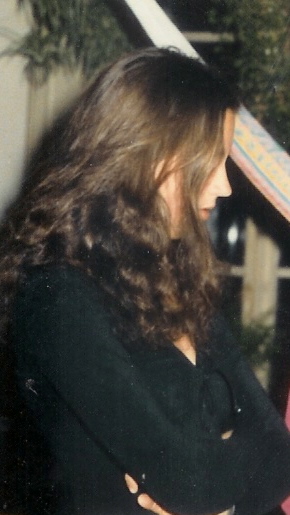
Me, as an exchange student in France. Was I thinking about how I would one day write a novel based on my experience? Qui sait? (Who knows?)
Reflection can lead to empathy, and I’m naturally empathetic, a plus when it comes to creating a character and getting inside his or her head. Imagining what my characters are feeling helps me to know what they should say, what they should do and how they should do it. It’s kind of like being in the creativity “zone.”
However, in real life, (over)thinking can be problematic and even painful – or at least, stressful. I do my best to prevent that, but when it comes down to it, my nature is what it is. Que faire?
Write. That’s what to do.
Because life is full of fodder for novels like the one I wrote, MAKE THAT DEUX (and the one I’m working on now) – and if I don’t think about that, I won’t be able to use it. So really, being a “thinker” is not too bad a thing, and quite useful.
Back to la gentillesse and la prévenance: both are also very useful – and necessary – in life, but not so much in writing a tension-filled story. But creating conflict in fiction doesn’t have to include the opposite of these.
Except for when I’m showing the reader le méchant (the villain)*…
* A major character in my Work-in-Progress.
“Best advice I’ve ever received: Finish.”
– Peter Mayle
Last June,* I wrote about habit and routines, and my readiness to examine my own. My creative side has always resisted them: I wanted to choose what to do and when to do it, letting spontaneity rule. On the other hand, I was happy I was practicing good health habits (like eating a light, healthy breakfast and exercising regularly) and I was ready to dispose of my bad ones (like drinking too many diet Cokes).
Two truths from a book I had just read were helpful:
1. Replacing a bad habit with a good one works much better than just discarding the bad.
2. Routines save mental energy: you’re freed from making daily choices, and can focus on more important decisions.
I decided it was a mid-year’s resolution time, and I made changes. But it wasn’t until three months later that I began to hold myself accountable to them.
In September, instead of just drinking fewer sodas, I cut them out completely and replaced them with water. I started keeping track of exercise and meals, and when the right choices (soon) became habit, they were much easier to maintain. I felt as though I had discovered the secret (for me) of a healthy lifestyle.
I didn’t make my new choices routines impossible to practice, and since then I’ve stayed on track. Because I was afraid I’d jinx myself (or maybe because I didn’t want to have to defend my decisions), I didn’t tell many people about my newfound resolve or progress. And when others offered unsolicited advice, I smiled, listened, and carried on. What I was doing was working.
I had to be more flexible when it came to my work routines – not what they were, but when to perform them. In the fall, I worked my writing schedule around taking a seriously ill family member to her medical appointments, but I managed to keep it up; thankfully, she’s now healthy again.
Then there was the publication of my novel MAKE THAT DEUX. A short interruption in my writing routine, it took a little time and effort in October to travel from my computer files to e-readers and booksellers. Then, I added marketing to my routine.
But in health – and in writing – I’ve hit some plateaus….which can be very frustrating. I’ve learned something very important about them, though:
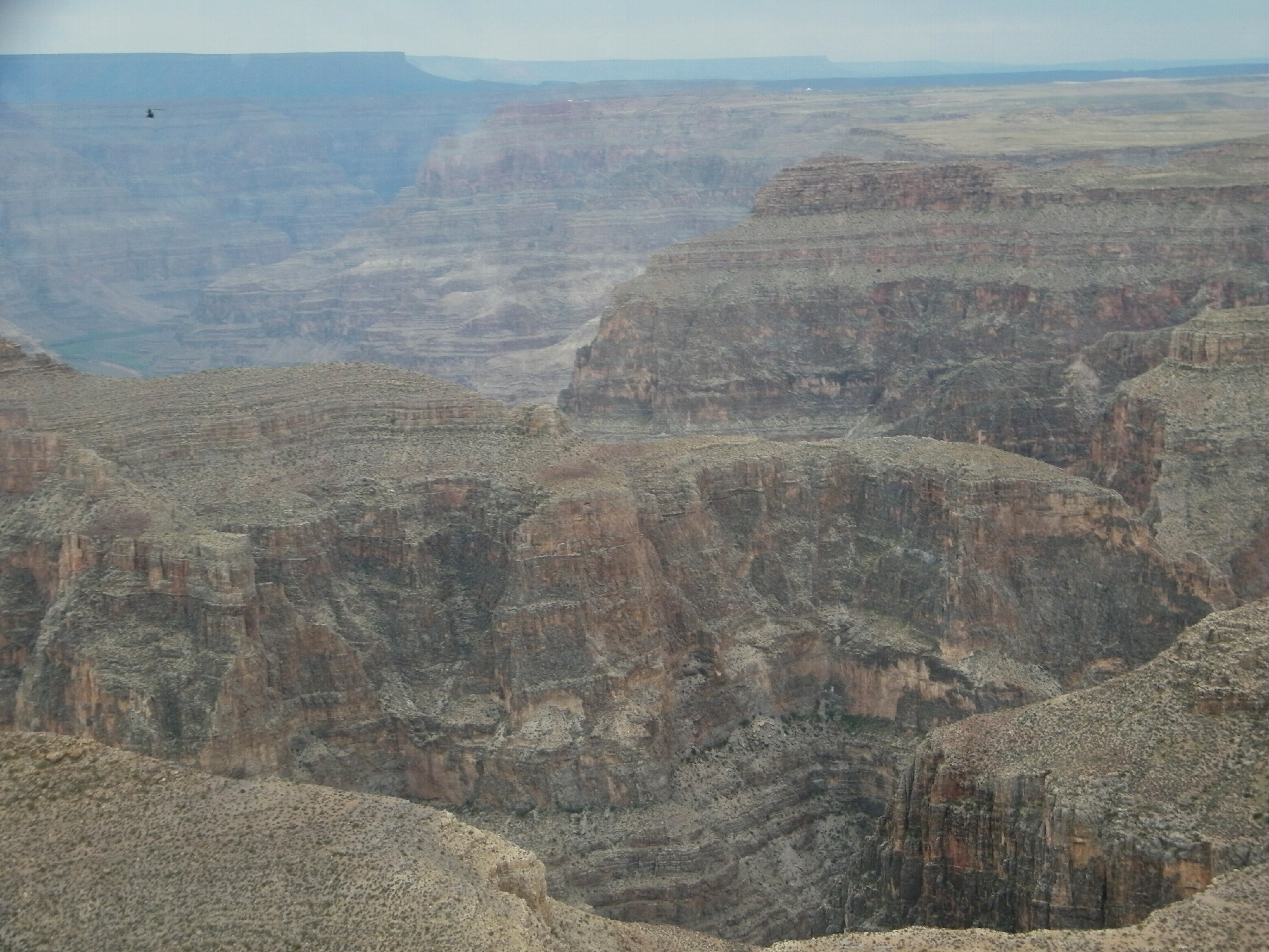
Helicopter views of plateaus in the Grand Canyon
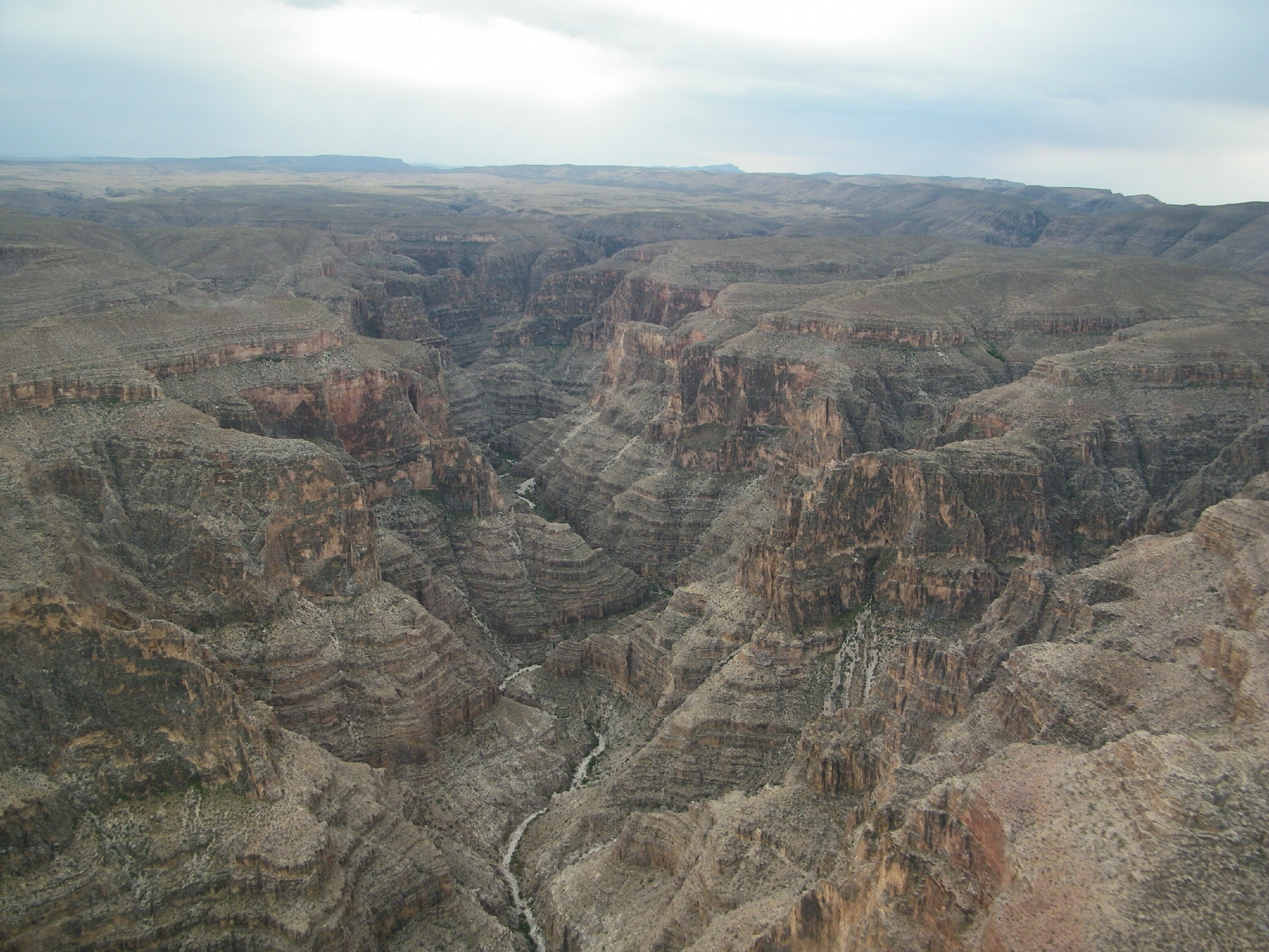
They don’t go on forever…and to get past them, you have to keep going.
I’m an East Coast girl: I love Atlanta and the Appalachian Mountains, where my ancestors lived, and I’m not crazy about the rugged majesty of the Rockies. Sometimes, when I hit a plateau, I feel like I’m out west facing a beckoning frontier, but one that’s not getting any much closer.
Mais, il faut continuer.
Which brings me to follow-through. I like to bring my endeavors to completion – I don’t like to start unless I feel that I will, come what may. It may sound inflexible, but it’s not; flexibility is key to finishing. I try to save my choices for when I’ll need them: to adapt, to redirect, to coach myself, to revise and improve. I’m determined to get it done, so I keep going, and then…I finish.
“Nothing is particularly hard if you divide it into small jobs.”
-Henry Ford
* See my post of June 6, 2012: D’habitude: routine
What is it about the French? A joie de vivre, or just… a certain je ne sais quoi?
Je ne sais pas exactement, mais… for me (and millions of others), it’s an unmistakable something. For a country, ça me rappelle (it reminds me) of…that something, possessed by some girls (and women). Lisa, a character in my novel MAKE THAT DEUX, has it:
that something which is undeniably attractive, captivating and alluring.
En revanche (on the other hand), perhaps not everybody feels that way. Some people are not big fans of la politique en France, la culture, or even la cuisine (but two out of three isn’t bad). And some people are fans of all three.
I love all things French, or tout ce qui est français, including the language, the people, and the beauty. I even like their sense of humor,* and while I’m not crazy about existentialism, I get it, though some of their movie endings me rendent folle. De toute façon, mon sujet:
Here are a few of my favorite (French) things:
Champagne. Wine. Cheese. Boulangeries. Pâté. Truffles. Baguettes.
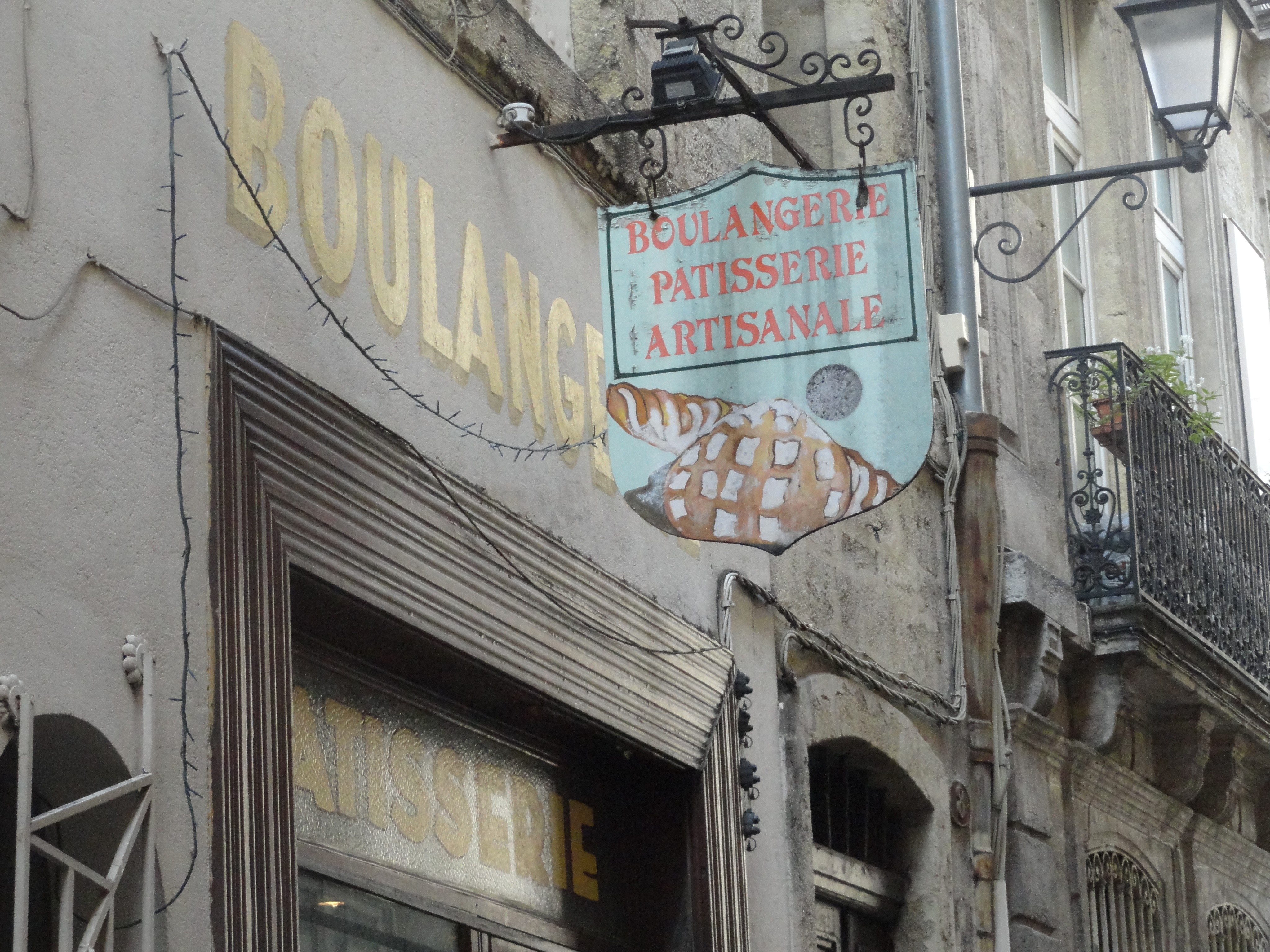
Cafés. Café au lait. Pâtisseries. Macaroons.
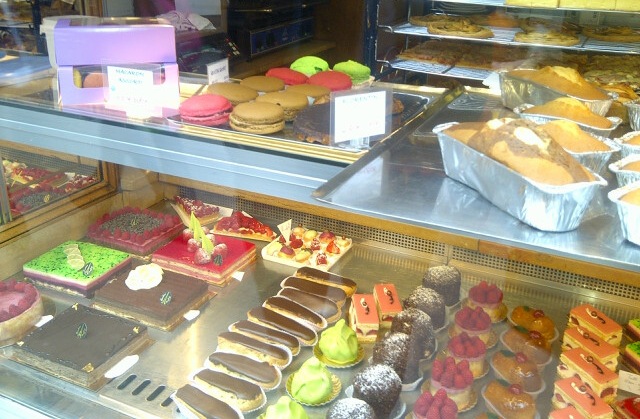
Museums. Promenades, and parks. Monuments. Art. Palaces. Châteaux. Vineyards. Lavendar.
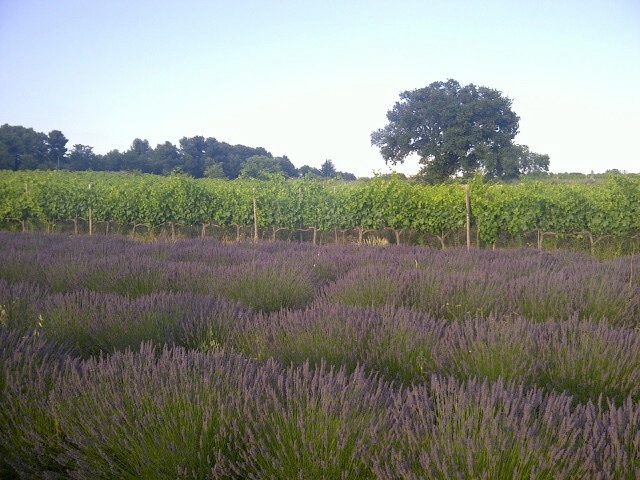
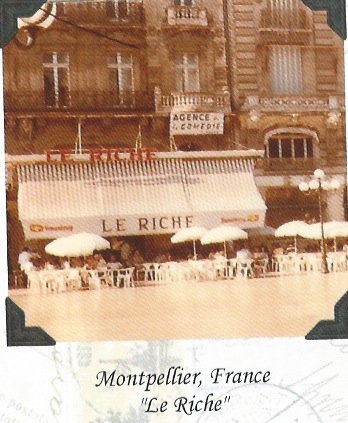
Nice. La plage. Les peitits villages de Provence. Aix. Avignon. Nîmes. Montpellier. Carcassonne. Lyon. Beaujolais.

A street in Montpellier where I once motored on my mobylette, régulièrement
And…Paris.
 A view of the Champs -Elysées
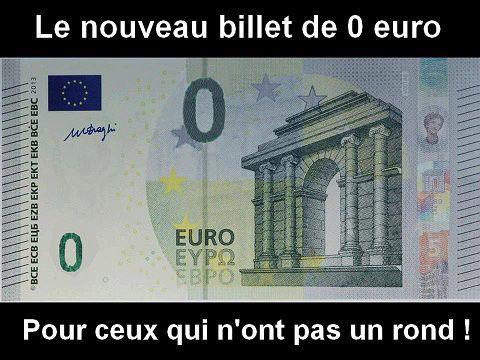
Jenny Miles (the main character in my novel) has her own favorite things about life in France, but some of them she simply can’t afford with her few extra French francs, back when no one had thought of (?) the Euro (!) . It’s not that she doesn’t have un rond (well, except for that second time in Paris), but she is glad to get free admittance to lots of museums with her Carte d’Etudiant (student ID):
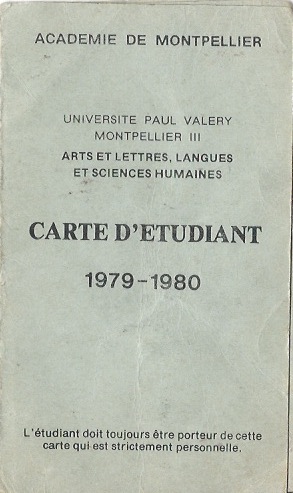
*Below, une blague, courtesy of mon prof, Madame Marie-Hélène: “Si vous n’avez pas ‘un rond,’ ca veut dire que vous n’avez pas d’argent !! ( penniless! )”
Like many people, I enjoy making new friends. But I love keeping (and seeing) those that I’ve known for a long, long time.*
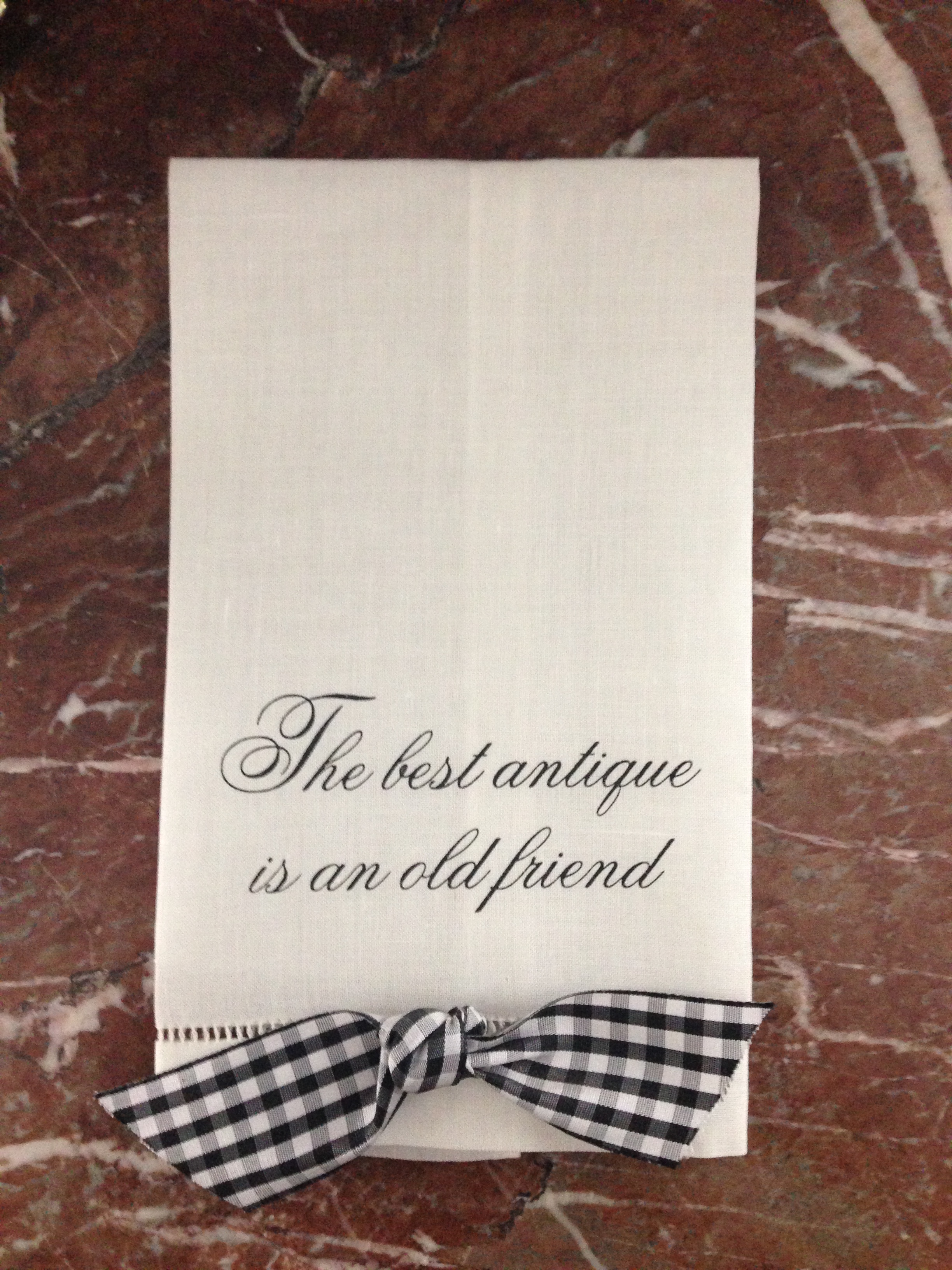
Nurturing friendships takes time and effort on both sides. Sometimes, despite our intentions, it’s just not possible à continuer. For different reasons, we move on….and not always because we want to.
We relocate to a different community, city or state. We develop new interests that some of our (old) friends don’t share – so we necessarily spend less time with them. We start new jobs, have more (or different) commitments. And maybe sometimes we move on because we realize that we weren’t that close to begin with.
In my novel MAKE THAT DEUX, three young girls become friends. When their experience as roommates in France is over, they’re sad about it – they don’t want to move on. (A sequel is planned…)
In earlier times, it was difficult to stay connected with friends when I moved somewhere new and started a new chapter in life. Phone calls were expensive, and letters took more time and effort than the short messages we send now. Traveling to visit each other wasn’t easy, even for weddings; on the other hand, they were cheaper easier to attend then than most “destination” mariages of today. But everyone (or at least, I) seemed to have a lot less money back then. So we did what we could.
Happily, I never lost touch with certain old friends. I did with some others, but in recent years, it’s been wonderful to reconnect. Sometimes we’ve discovered that we have more in common now than we did before: we share new (or old) interests, or we just have more time to spend with each other.
Which leads me to the reasons why j’aime les amis de longue date:
1. They “knew me when” – back before either of us had much experience with life and love, and were filled with hopes about the future. We went through some thing(s) together, or at the same time. Somehow that “me” and that “them” haven’t changed all that much, despite our separate joys, trials and sorrows.
2. They’re constant. They’re still around, whether we were always in touch or not. The reasons why we became friends in the first place (usually NOT because our kids are the same age, or that we worked in the same office) are still the reasons why we like to get together.
3. They’re flexible, forgiving, encouraging, accepting and empathetic – all things I try to be, too. No matter what we do separately and no matter what our different interests are (or become), we understand each other. We learn from each other, laugh together and are there for each other when times are tough.
4. They don’t have an “agenda” – we’re friends because we like spending time together. We may have some shared interests (we often do) but we’re friends for more reasons than that. We’re in each other’s network of friends, but we aren’t networking.
5. They care. We’re supportive of each other, and we don’t have to know the details. We want the best for each other, and we’re troubled when the other is sad, unhappy or unwell.
One of my (old) friends often says, “Friends are the family that we choose.” Some of my dearest friends aren’t the oldest ones; I met them sometime more recently along life’s journey. But for inexplicable reasons, we may feel as if we’ve known each other for a long time. We hit it off – we just connect.
I think they’re going to become some of mes amis de longue date.
* Especially my best friend, mon mari – the family that I chose, and who chose me.
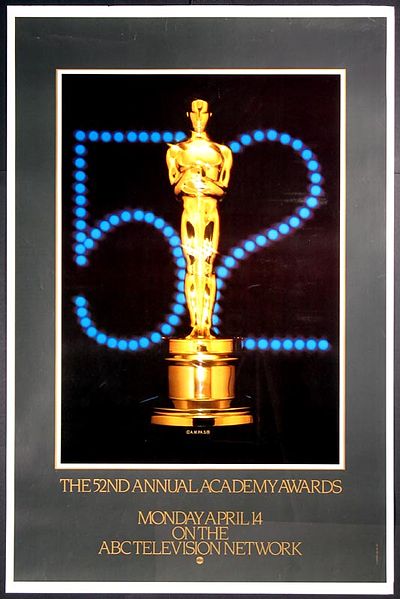
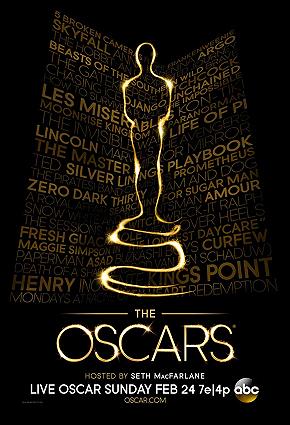
Some people who attended the 85th Academy Awards last Sunday night also attended the 52nd Academy Awards in 1980: Dustin Hoffman, Meryl Streep, Sally Field, Jane Fonda, Steven Spielberg, and William Shatner (cette fois, sur la vidéo).
Thirty-three years ago, Johnny Carson was the host of the show, presented on Monday night, April 14, 1980. About six weeks earlier, Jenny, Lisa and Kim* go to the Cinéma Gaumont Montpellier to see the movie, just released in France, that would win 5 Oscars: Best Picture, Best Director, Best Actor, Best Supporting Actress, and Best Adapted Screenplay:

Cinéma Gaumont in 1979:
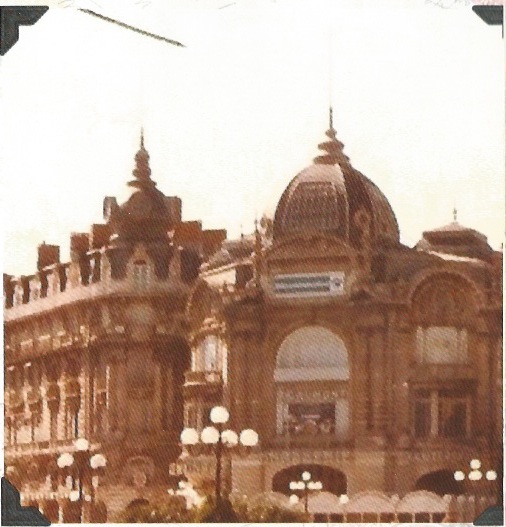
The film Argo is set in 1979-80, the same year that Jenny and her friends spend studying abroad in the south of France, and the year that moviegoers flock to theatres to see Kramer vs. Kramer. Argo won this year’s Meilleur Film award and 2 other Oscars: Best Film Editing and Best Adapted Screenplay.

I loved both movies, but for different reasons. Because my novel MAKE THAT DEUX takes place during 1979-80, the connections between the two films seem coincidental, and ironic. Kramer vs. Kramer was released in the U.S. in December 1979, not long after the American hostages (including the ones whose story is told in Argo) are seized. Both movies tell gripping stories that kept me on edge until the closing scenes. And though much is different in the world since 1980, some things haven’t changed that much, at least politically.
Back to Les Oscars. It’s changed in many ways, but not all. For example, the gowns: In 1980, Sally Field won Best Actress for her role in Norma Rae, beating Jane Fonda, Bette Midler, Jill Clayburgh and Marsha Mason. A much younger Ms. Field wore a fairly simple dress that night:
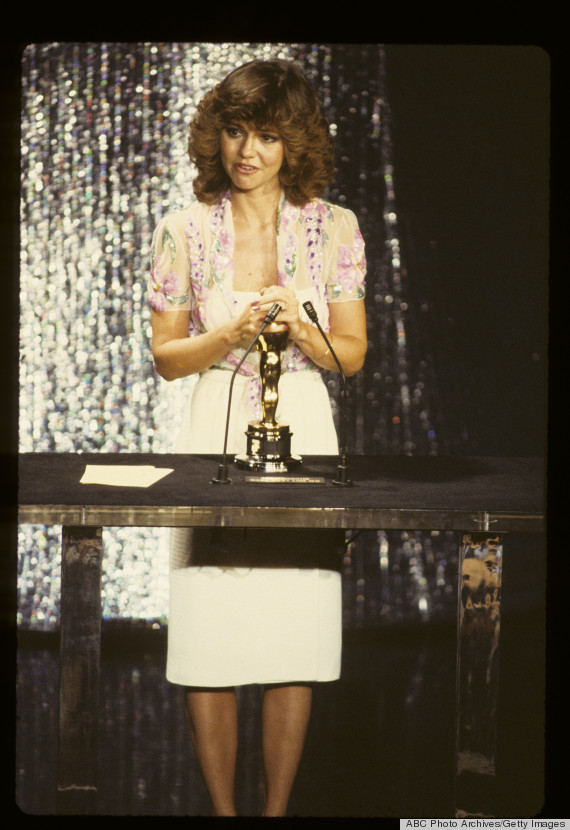
Last Sunday night, she was nominated for her role in Lincoln, a part she was perfect for and played very well, à mon avis. But my favorite nominee, Jennifer Lawrence of Silver Linings Playbook, took home the Oscar.
Sally Field at this year’s Academy Awards:
 Les robes have changed a lot over the years, and so have the hosts, but some things have stayed the same: The show is très long, and the speeches can be (too) long, too. But usually the show is entertaining and has its funny, unscripted (and weird) moments.
Just like life. C’est la vie!
* Three characters in my novel MAKE THAT DEUX....Kramer contre Kramer was released in February 1980 in France.
“I’m coming out, I want the world to know, Got to let it show…”
– Diana Ross
By far, the most frequently asked question I’m asked about my novel MAKE THAT DEUX is: “Is it autobiographical?”
If you go to the FAQ (Foire aux questions) tab above, you will see at the top:
“Is MAKE THAT DEUX a true story? No, but it is based (loosely!) on a true story.”
HOW loosely? Regardez:
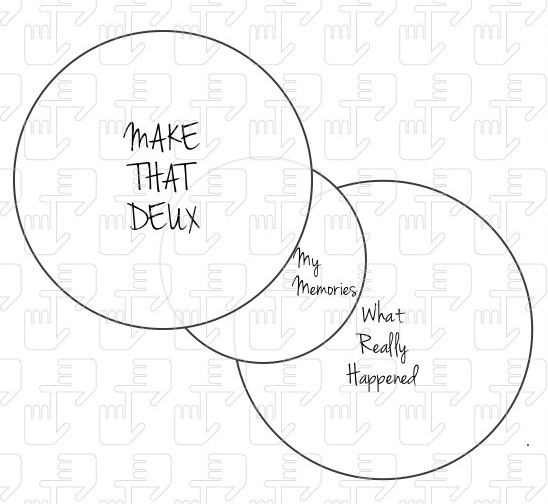
Not drawn to scale
I must have a bit of French ancestry*, because I like mathematical concepts; quelquefois, my mind just prefers to look at things that way. The above diagram is an example of that, kind of.
Voici l’explication:
1. What Really Happened – Yes, I really spent the year 1979 – 1980 on UNC’s Junior Year Abroad in Montpellier, France. I arrived in August and came back to “the States” the following June. I left my college boyfriend, with whom I was madly in love, behind in Chapel Hill; we kept in touch with handwritten letters and a few very expensive phone calls. I have documents (and witnesses) to prove all of this.
2. My Memories – As you can see in the diagram, some of What Really Happened is entrenched in My Memories, but not all. And some of My Memories did not really, well, happen (probably).
Pourquoi? Parce que…hmm. A., “Studies have shown” that memories tend to center around emotional events. Though I’ve always been a pretty emotional person (hopefully, in a good way), fortunately obviously, not all of my experiences during my year in France were full of drama and emotion. Some of them were though, and those were the only ones I remember.
I think.
Because, B., according to some scientists, “the very act of remembering can change our memories;” for us humans, it may even “be impossible.. to bring a memory to mind without altering it in some way.”
In other words, some of My Memories did NOT really happen (difficult for me to believe, but okay, because that fact was helpful when I wrote my fictional story),

3. MAKE THAT DEUX – Many of My Memories made it into my novel, but not 100% of them. Simply put, my story was somewhat different than Jenny’s.
And to answer that “autobiographical” question: Look closely at the diagram above and you see that, although My Memories overlap What Really Happened, and MAKE THAT DEUX overlaps My Memories, only a small portion intersects all three areas.
And I’m not “coming out” telling what that portion is…I guess we could say, see #1. above.
Or we could say, qui sait? (who knows?)
Finally, you may be wondering, “So then, what IS that part of MAKE THAT DEUX in the diagram that’s outside of My Memories (and, necessarily, What Really Happened)?”
C’est la FICTION!
“My book’s coming out, I want the world to know, Got to let it show…”
* My mother’s maiden name is Bellamy: Belle Amie?
One of the most fun things about being an author is having to do research.
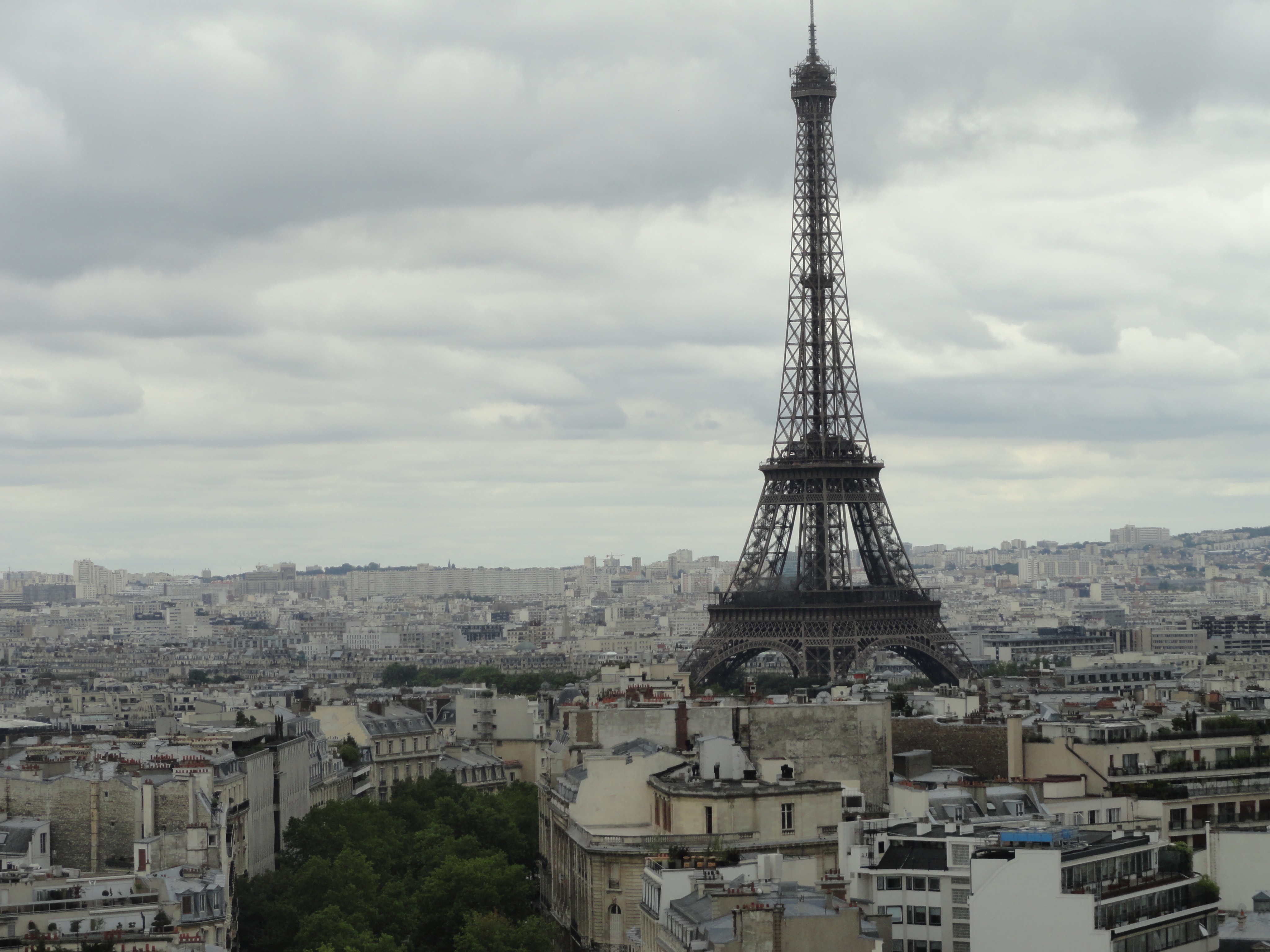 A view of La Tour Eiffel from the top of the Arc de Triomphe de l’Étoile
My novel MAKE THAT DEUX takes place (mostly) in the south of France, where the protagonist, Jenny Miles, spends a year of college. Before the school year begins though, she visits Paris with the other American students on her Year-Abroad Program.
Last summer, my husband and I spent four days there at the end of our two-week, adventure-filled vacances in Portugal and France. Our time in Paris wasn’t long enough – we weren’t able do as many things as I wanted to do, or to see as much. Cependant (however), maybe it was long enough, because after staying in five other lovely spots (the Algarve, Nice, Aix, Montpellier and Lyon), we were getting tired of traveling. (Oui, we had built too many stops into our itinerary….but we were all alone, sans les enfants, et plein d’énergie!)
We arrived in Paris on a Monday, and we made the most of our time, though the city was crowded with tourists just before the London Olympics. We stayed in a friend’s spacious appartement, conveniently located near the Eiffel Tower and close to a Métro station.
Cathédrale Notre-Dame

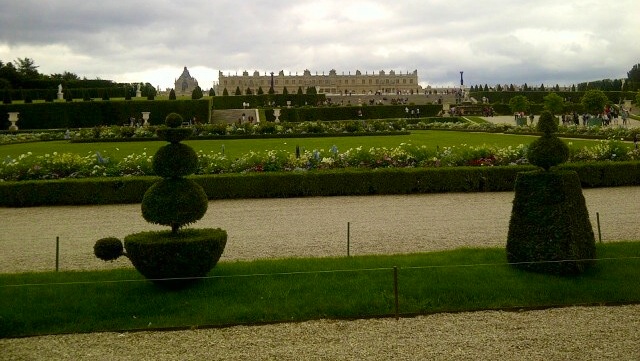
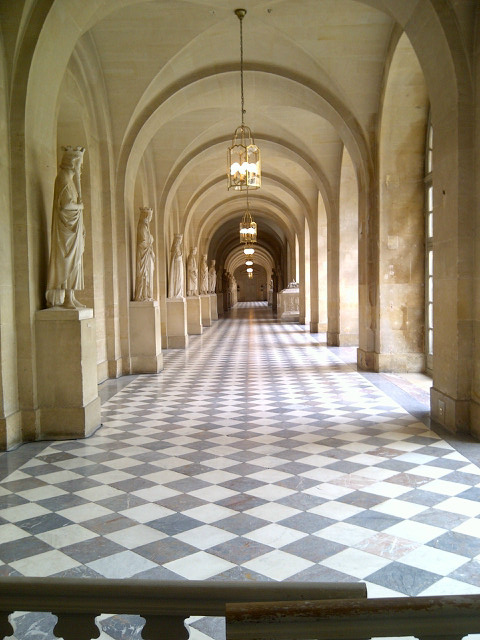
We chose a few things to do, and quickly decided we’d have to plan another trip, stay longer and see more. One day, we ventured to Versailles. I had been there once before, il y a longtemps, with a group of other students on a guided tour. That day, the palace wasn’t very crowded, unlike the day we visited it last summer (though these photos don’t include tout le monde):

Versailles
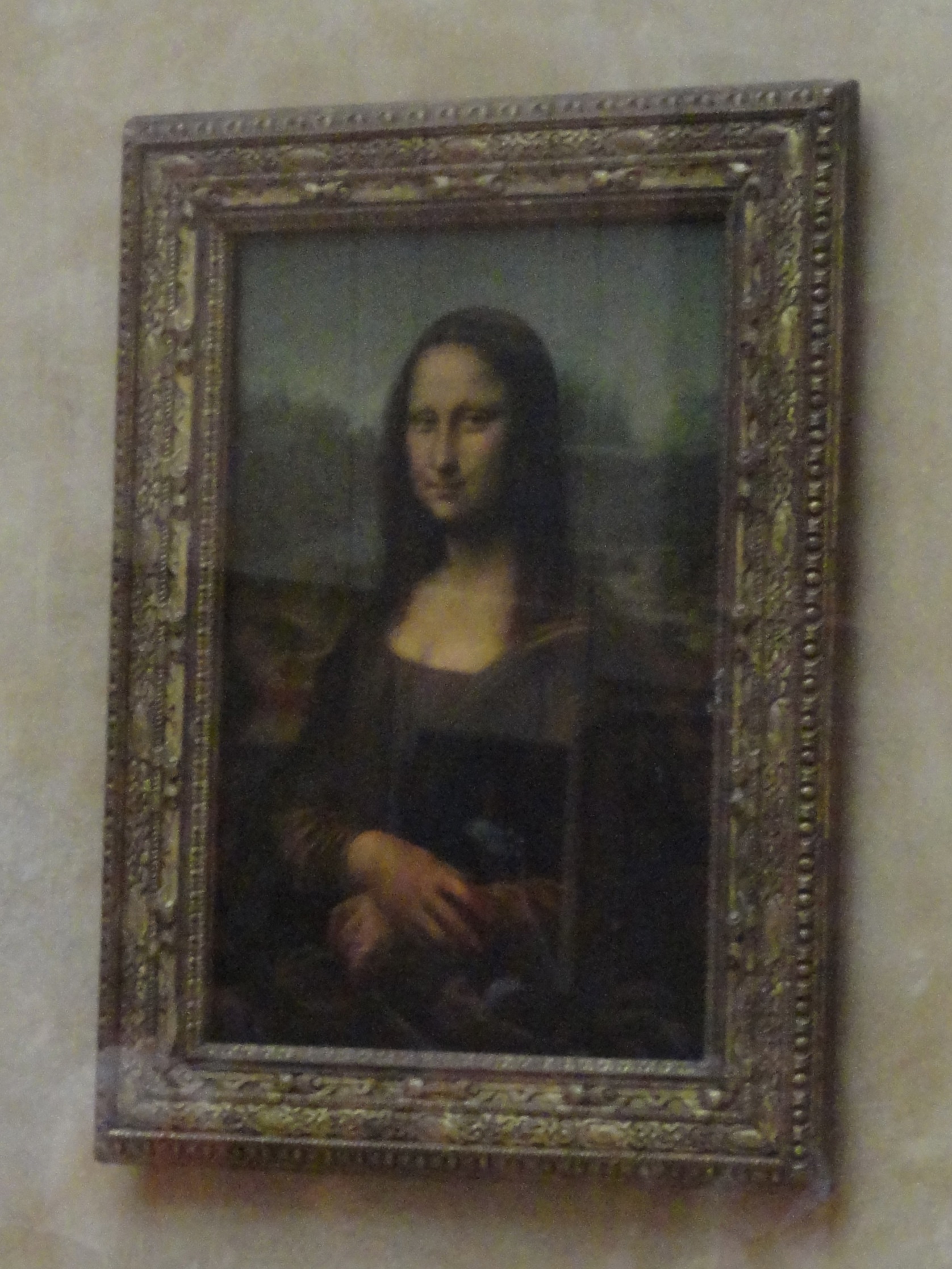
We visited several art and history museums in Nice, Lyon and Paris, and my favorite was the Musée d’Orsay in Paris, parce que j’aime bien les objets d’art impressionistes…But we couldn’t leave France without a visit to the Louvre. It was the first European museum I had visited as a student, way back when, and it had changed. On ce jour-là, I walked right up to the Mona Lisa; now, malheureusement, the Louvre’s most famous work of art must stay well-protected. C’est dommage.
However, we were able to walk right up to two very famous ancient Greek statues housed in the Louvre: Venus de Milo and the Winged Victory of Samothrace, pictured below. We also saw many other less bien connu (and amazing) works of art there, much more than Jenny did in MAKE THAT DEUX.
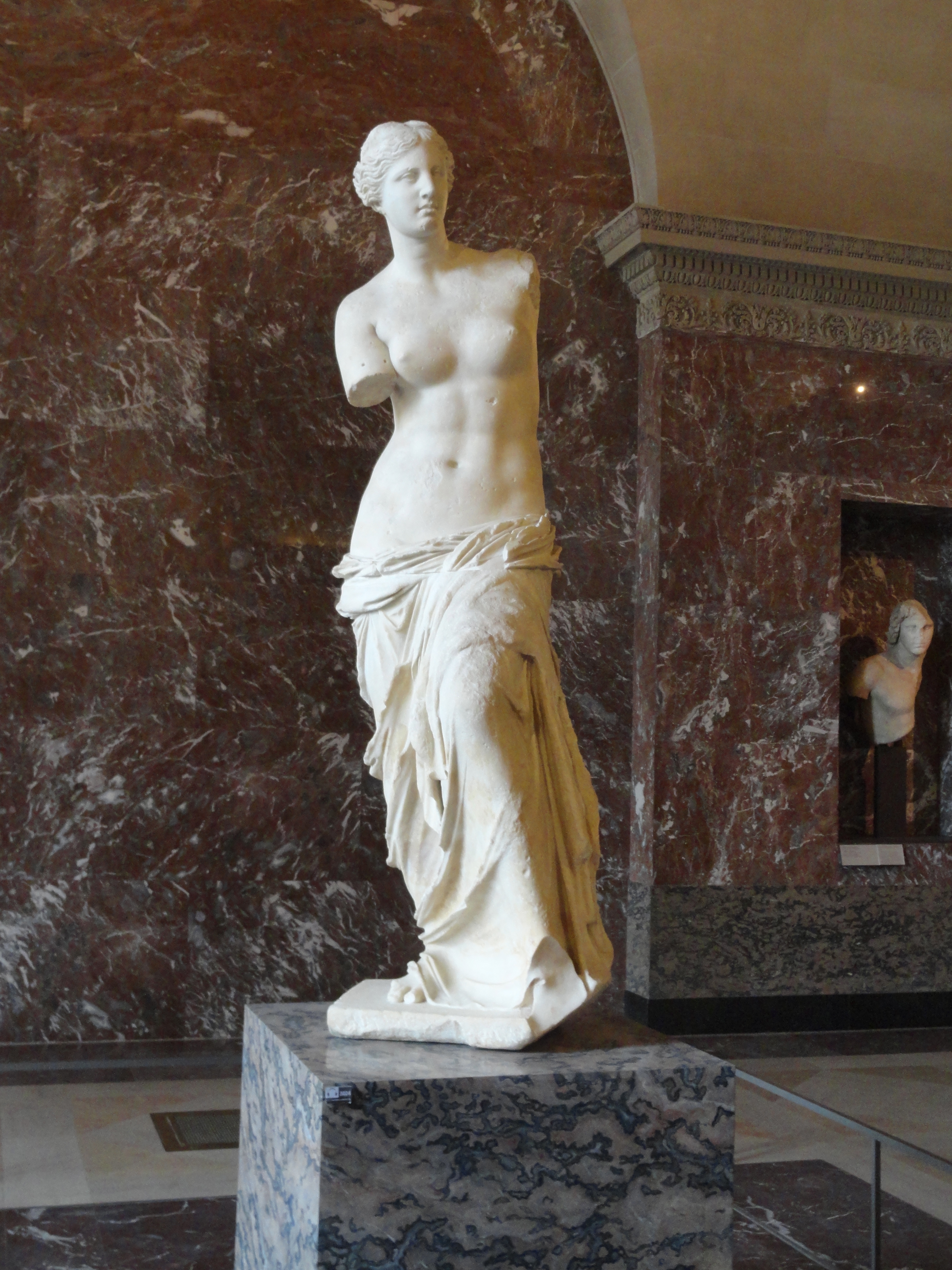
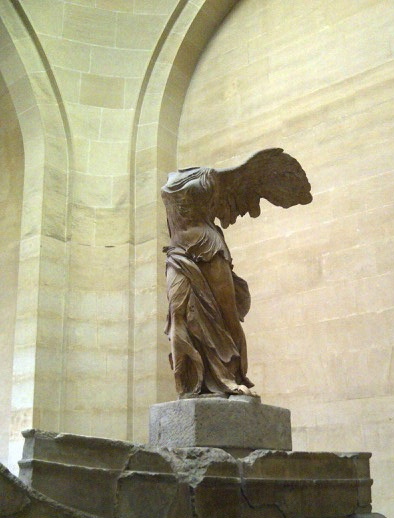
Our trip to France wasn’t just for la recherche, but “research” was an element très amusant et agréable in our tour de France et de Paris. Mais pour un auteur, toutes les expériences de la vie sont la recherche…
Most people know how to say “two” in Spanish: “dos.” Rhymes with “close,” as in, “Close to You.”
Since my novel MAKE THAT DEUX was published, however, I’ve only heard a few who know how to say “two” in French: “deux.” Rhymes with…hmm.
I can’t think of a rhyme in English that doesn’t have a consonant ending, like “could,” “look,” or “put.” But you can pronounce“deux” – even if you took didn’t take French in high school. N’ayez pas peur (don’t be afraid): make it rhyme with one of the above, leave off that consonant sound, and you’ve got it.
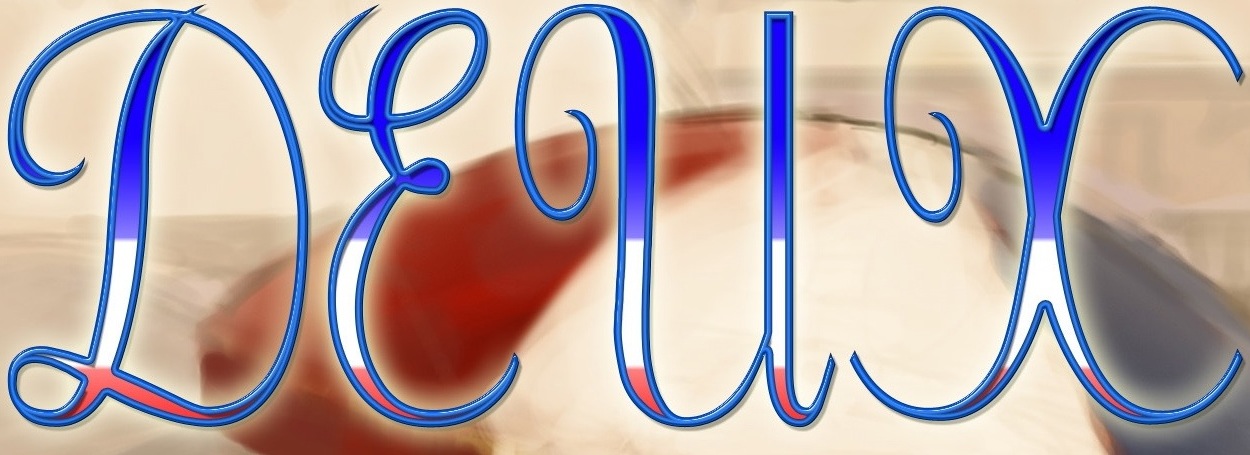
The third word of my novel’s title, taken from the Cover
For a writer, choosing a title for your book is kind of like naming your baby: usually, you give it some serious thought, and it’s not always facile (easy). When you’re writing a novel and you tell others (prematurely) what you’ve decided to name your baby book, you want to hear them say, “That’s great!” not “Really?”
But once you’ve published your book, the baby’s been born and a name title given. People do in fact say “That’s great!” or even “I love it!” – no matter what they think. They don’t feel as free to tell you their opinion; if they can’t say something nice, they don’t say anything. Plus, like baby names, I believe that titles grow on people, and they come to fit the baby novel. At least, people look for reasons why names titles fit. As a writer, I love it when they find them.
But when people aren’t sure how to pronounce your book’s title (perhaps because you’ve chosen a word from another language?), there could be a problem.
I’ve heard the troisième word of my novel’s title (mis)pronounced as “do” most often. But “Make That Do” suggests something totally different than what I had in mind with “Make That Deux” when I was brainstorming for titles, back whenever-it-was.
I’ve only told a few friends the (English) one-word [working] title of my work-in-progress, a Suspense/Thriller, and so far, reception has been lukewarm. But it hasn’t bothered me because, well, I don’t know why. Perhaps it’s because this book isn’t my first; I’m not a new parent anymore, I’ve got my own way of doing things now (what works for me), and I’ve got a bit of a thicker skin.
Back to MAKE THAT DEUX: My book is set in the south of France. If One is the Loneliest Number, and Three‘s a Crowd, Two just seems, well, parfait (perfect). How does the title fit the novel? You’ll have to buy it, and read it, to find out!
 JULIA MCDERMOTT