Américaine in Paris

A mon avis, it’s the most beautiful, most romantic city in the world.

Earlier this month, I marveled at la Tour Eiffel but didn’t climb to the top of it (though I did ascend the spiral stairs inside the Arc de Triomphe and the steps at Montmartre). Like the main character in my upcoming novel, I drank café crème ( café au lait) at petit déjeuner and, at times, beaucoup de vin at déjeuner andner. But unlike her, I only gazed at the pâtisseries.

If you follow me on Twitter (@MakeThatJulie), you may have seen other photos from my recent vacation in France, an anniversary trip for my husband and me. It was fun speaking français and teaching him some helpful phrases such as L’addition, s’il vous plaît  (Check, please). 

Though we enjoyed several lieux touristiques — monuments, museums and palaces — our most memorable moments occurred unexpectedly. Cocktails at the bar at Hotel Negresco in Nice. Lunch at a café in a petite village in the Luberon valley. Wine-tasting, explanations in French and a private dinner at a winery near Aix-en-Provence. Breakfast on the terrace at our hotel in the old section of Montpellier (and a nostalgic visit to the nearest beach). Exploring Lyon and nearby Beaujolais with French friends who hosted us for the weekend at their home. Laughing together as we figured out the Paris metro system (not that hard), and dinner at a tiny restaurant in Montparnasse that serves everyone the same (delicious) menu.

Our experiences were so different from those that I had as an exchange student in France, part of a small group from the University of North Carolina. I was on a tight budget and traveled by train all over western Europe (but not much in France) using my Eurail pass. Since then, university abroad programs have exploded – just about everyone goes somewhere to party study and experience life in another culture. My novel, to be released soon, is about a girl who spends a year of college in the south of France, her life filled with adventure, romance, and many unpredictable and memorable moments. Her story takes place in an earlier time, but her experiences are much like those of many of today’s young women.

And she dreams of going to Paris with the man she loves.

Le Tour de (Montpellier) France

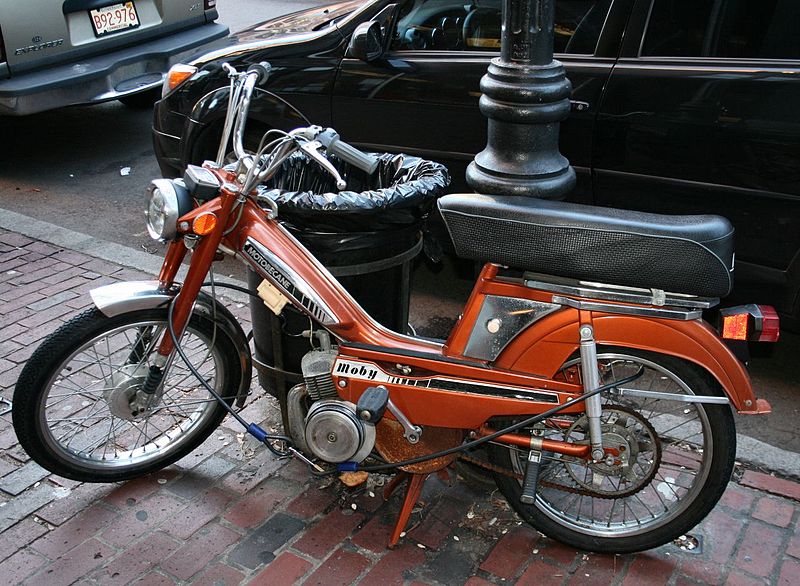
I’ve never cycled in France. But a long time ago, I drove a moped there, and earlier this month, a car. My mobylette was blue, like this one:

I knew my way around Montpellier, the city in the south of France where I studied for a year, and I knew how to get to the closest village, Palavas-les-flots, where I lived in an apartment on the beach. My “bike” didn’t go over about forty miles an hour, but it only took about twenty minutes to get to school. In town, getting around through the narrow, winding streets was easy. When I wanted to call “the States,” I drove to the International Calling Center in the Post Office and waited for a booth.

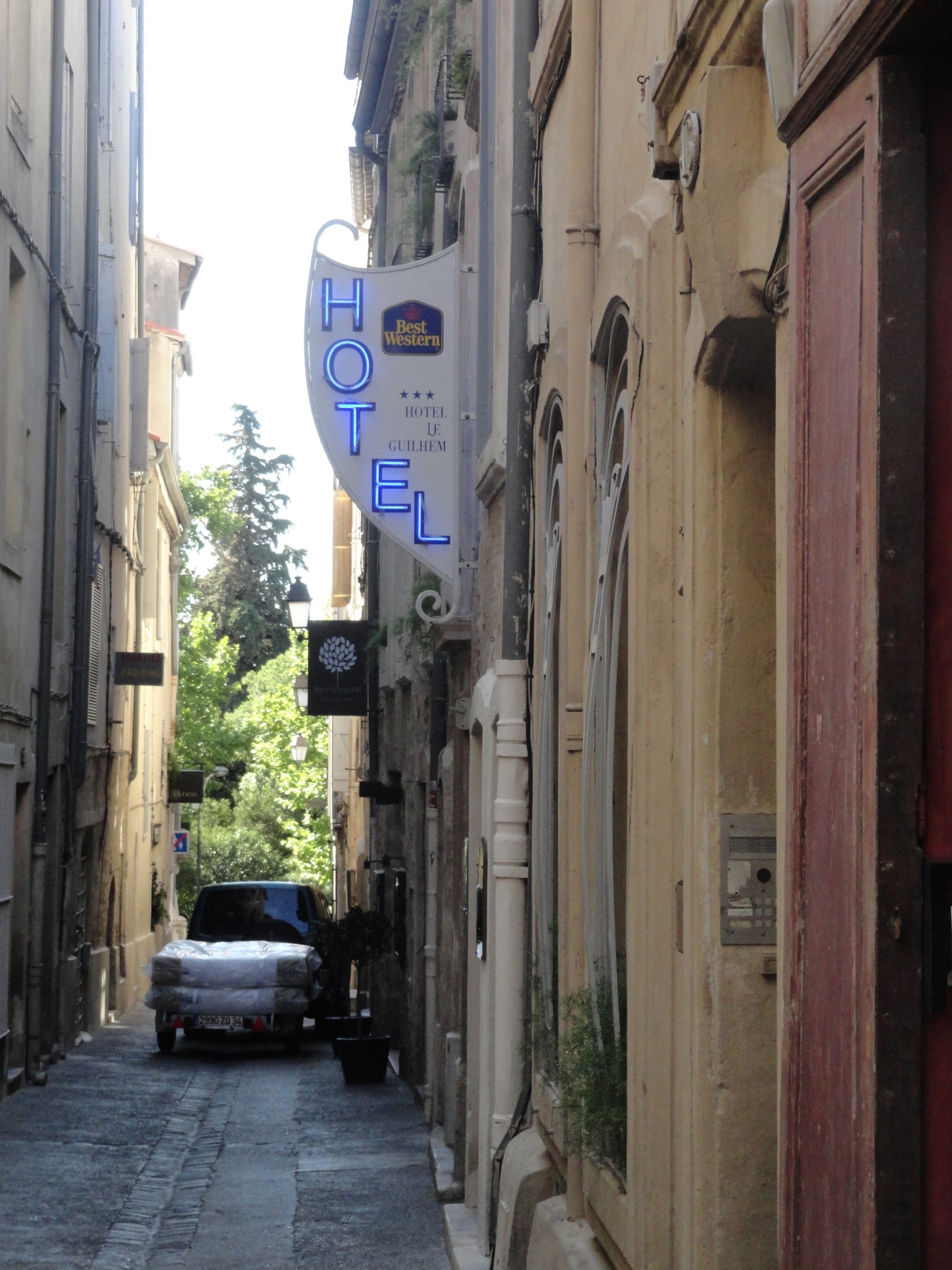
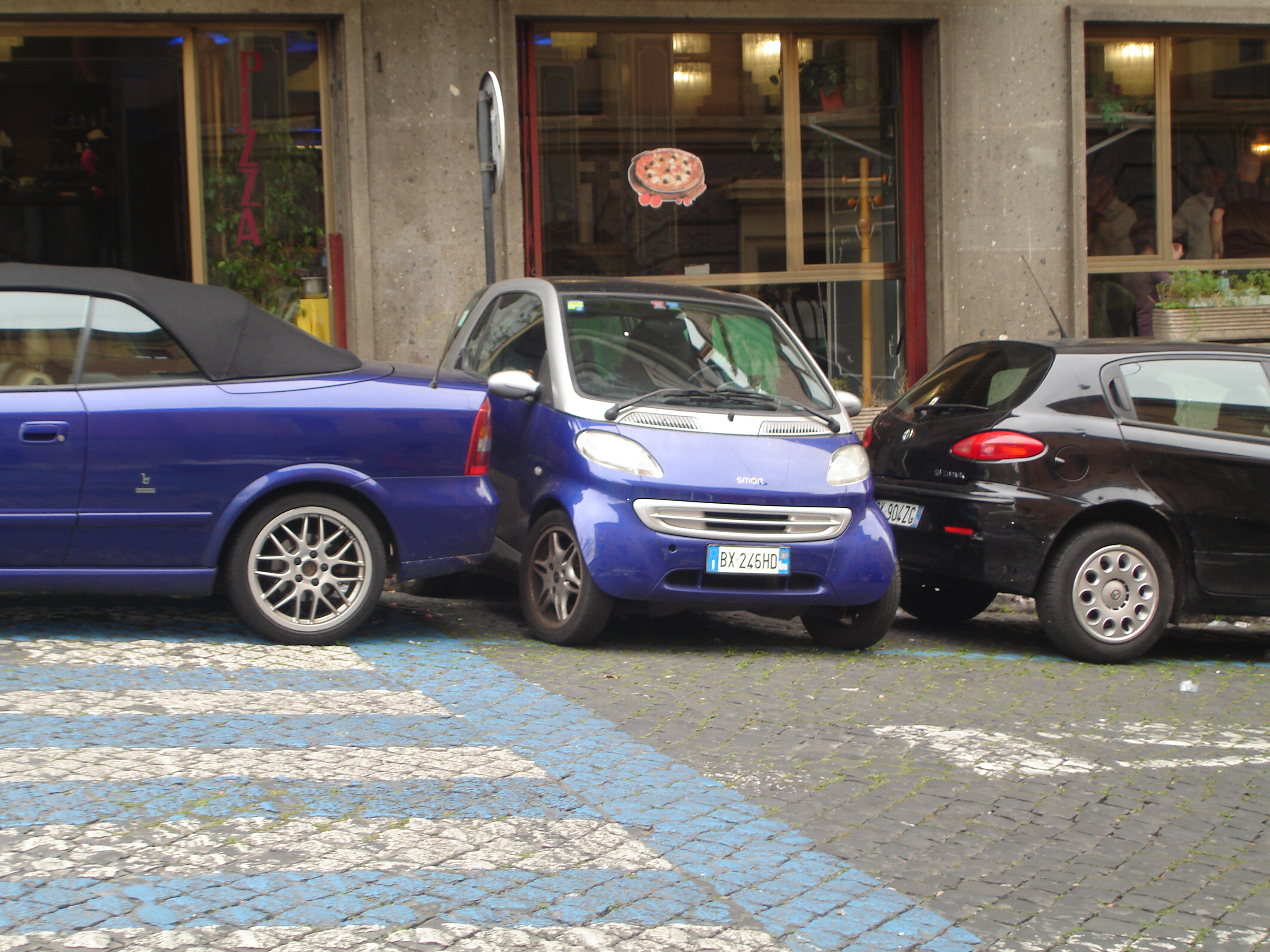
During our trip to France earlier this month, my husband and I arrived in Montpellier one evening en voiture – by car – after visiting Nice and Monaco, Aix-en Provence and Avignon (with a side trip through the Luberon valley). Though our vehicle’s GPS was confusing at best, after three tries, we navigated the narrow streets to our hotel, located in the vieille ville, close to the Promenade du Peyrou and not far from Place de la Comédie:

We pulled up to the entrance and opened our car doors with difficulty — the voiture in the photo is much smaller than the one we rented. We unloaded our valises and were politely instructed to park in an underground parking garage about a quarter mile away. Le Guilhelm was a former 17th century coach inn and conveniently located just steps away from wonderful restaurants and cafés. 

The next day, we tooled around the city, visiting the university I had attended and the village where I lived. I thought I’d be able to figure out how to get to both, using our quirky built-in GPS and drawing on memories over three decades old…since I’ve always been good at directions.

Wrong!

We chose la mauvaise route – the wrong way – many times. Without meaning to, we saw more of the city and its environs en voiture than I ever had en mobylette. Guessing at each turn, we made sure not to enter streets with the red and white interdit sign (“do not enter” or more literally, “forbidden”) and finally found a road I recognized (faintly) called Route de Mende. When we found the university, I was struck by how different it was from what I remembered. It was older, of course, and had changed quite a bit.

Following signs out of the city, we made it to Palavas using the road I had traveled many times; it seemed much wider. We had lunch at a café on the beach, close to the apartment I shared with two other American girls. Later that afternoon we returned to Montpellier, parked our car in the garage and set out to explore the centre ville, à pied – on foot. Much that we saw was just as I remembered.

The following morning, it was time to drop off our car. We were taking a train to Lyon, and fortunately the car rental drop lot was located at la gare – the train station – not far from our hotel. I had driven to la gare, or by it, through town on my mobylette many times, but by car, it was necessary to take a roundabout route. We gave ourselves an hour to get there.

Which turned out to be a smart decision. We had decent directions, but, malheureusement, when we approached la gare, we couldn’t find the entrance. We circled around and around the station, always keeping it in view but never able to approach it. Finally, I asked a Frenchwoman for help, and her instructions (given en français) provided our solution.

Comme toujours: Montpellier, en mobylette ou à pied, ça va, mais en voiture, c’est impossible!

When it’s out there, reader – le jugement


Now that I’m back from les vacances en France, it’s time to travailler – work – again. As the French say, Faire et refaire, c’est toujours travailler. 

The suitcases are unpacked, the clothes washed, the photos sorted, and the memories treasured. Talk of another future visit – someday – is happening, with a slightly different plan, and preferably, not during l’été – the summer. But it was a fabulous trip, a welcome break from routine and a wonderful time to share with the love of my life. We spent a lot of time together, spoke French (well, I did, and he did un peu), and saw sights both famous and little-known, the latter just as impressive.

We started in Nice and ended in Paris, visiting many other villes, villages and a chateau in between. With sporadic access to wi-fi (in French, it rhymes with leafy), we stayed “dark” for the most part – only a little frustrating, and actuellement quite liberating. And neither of us “worked.”

At the end of week one, we traveled to a city in the south, Montpellier, and had lunch at a nearby Mediterranean plage – beach – in a town called Palavas-les-flots. It was a nostalgic stop on our journey – the place where I spent a year as a college student, where my boyfriend (now my husband) sent me letters and flowers. Visiting it with him after so many years together was indescribably romantic. Since my novel takes place there in an earlier time, our voyage to Montpellier and Palavas doubled as research; when we got home, I did a final fact-check review of the story and tweaked just a few lines, as necessary. But even though much has changed there since 1979, much is also the same.

Now, chez nous, it’s time to blog again, tweet and work on my next book, as I prepare au meme temps to release the first. Which brings me to the subject of today’s post: the fact that once “it’s out there,” my novel will no longer really be my own. It will belong to the reader, who will judge it and its characters. Much of the story is based on true events, but much is not. Memories from my time in France long ago are imprecise in some ways, but clear in others. But it’s not the specifics or any incongruities that worry me.

It’s le jugement.

Because even though it’s popular to claim that we don’t judge – and even say, “don’t judge me,” in truth, we do make judgments all the time. We form opinions and justify our positions. When we read fiction, I think we almost feel we own it; we decide what’s good, bad and neutral; we judge the plot, the writing and the ending. All of this is fine and well, and it’s what we as authors know as we write.

But now when I read someone else’s work, I read not so much as a reader but as another writer. I think about what led the author to write the book. I think about the travaille, the brainstorming and the planning, the edits and revisions. I think about the author choosing the title. Having grown as a writer, I’ve changed as a reader. When my book is “out there,” of course I hope that judgments are good and reviews, positive.

A bientôt.

[Note: above photo is of The Conciergerie in Paris: once a palace, it was converted into a prison during the Revolution and became a symbol of terror. This was where Marie Antionette was imprisoned  before her execution.]

Les Ados vs. Young (independent) Adults


The French word for teenagers is les adolescents. For short, les ados. No matter what country you live in, Plus ça change, plus c’est la même chose.

The years between childhood and adulthood can be difficult, not only for les ados, but also for les parents. (Make that, ARE difficult. Sans doute.)

But they can also be rewarding, and even fun. And then one day they’re over. No more moodiness, drama, or driving lessons. C’est fini.

While my four kids were teenagers (and one still is), I read books about raising teens, novels about teens, and even the books my own teens were reading. Just recently I read Generation iY: Our Last Chance to Save Their Future by Tim Elmore and Dan Cathy. I found it enlightening if troubling. And then I worried — some more.

But back to my topic: teens vs. Young (independent) Adults, or YiAs, I’ll call them. (A small “i” seems appropriate, and trendy.) YiAs ARE adults, even if young and inexperienced independent. They’re not teens wishing to be adults, with all the independence that adults enjoy. So why do teens read “Young Adult” novels? More important, given that real young adults (and old ones) read them as well, why must the protagonists of YA novels be teens (in high school)?

I wrote my first novel (to be released later this year) not specifically for the “Young Adult” audience, but for readers of any age — it was a story that was “in me” to write. Like Jessica Park, author of Flat-Out Love, I was told by publishing industry professionals that the (college) age of my protagonist (19) was too old for YA, and therefore my book wouldn’t sell. [See her recent terrific blog post, How Amazon Changed My Life]. Well, the professionals were wrong about Jessica’s book. I hope the same will be true for mine.

Ironically, my best beta-reader was a true young, independent adult. In her early twenties, she had spent a year of college in Europe; she related to my characters and gave me a ton of wonderful feedback. She has a “real” job, and though she is close to them, she lives far away from her parents. I’m old enough to be her mom (!), but it’s amazing how much she and I have in common.

If you’re a young adult, you can be independent, but if you’re an ado, alas, you can’t be, yet. (However, at age eighteen you can — almost. But that’s another topic.) Over two years ago, on my son’s nineteenth birthday, I stood by his side at the hospital as a doctor explained that he had a brain tumor. Treated as a legal adult by the medical staff, my son signed the paperwork for emergency surgery that was necessary to save his sight. Later that summer, he had to sign papers authorizing brain surgery at Duke. He survived cancer, something a great many adults never have to face.

That son of mine has changed a lot. I’m grateful he can read whatever he wants to read.

Bonne Chance

As I searched for inspiration for today’s post, out of the blue, my husband (who believes in serendipity) forwarded WSJ article You Call That Lucky? Actually, Yes by author Anne Kreamer.

Kreamer writes that, although she’s been reluctant in the past to attribute successes to luck  (“circumstances beyond my control”), she recently reexamined the idea: perhaps luck played a part. Looking back at her professional journey, she describes “lucky moments” that presented themselves, and when opportunity knocked, she was prepared: she had worked hard. Her conclusion: Reasonable success = [good] luck + preparedness.

But we all know that luck isn’t always good. Kreamer provides an example of a situation that “looked like” bad luck, but wasn’t: it led to a better position and good fortune.

I believe in fate, in serendipity — in luck, whether good or bad — but I prefer the French word, chance. Why is it that, when circumstances beyond our control lend themselves to aid us in achieving our goals, we don’t want to call it (good) luck, but choose instead to claim all the credit? And why, when different, uncontrollable circumstances lead to the opposite, we’re so inclined to blame bad luck rather than ourselves?

I’ve had some professional and personal good luck, but I’ve also had my share of the opposite. But as I dealt with those unfavorable, unfortunate events in the past, I did the best I could. I survived. I worked, as Kreamer says one must, believing that my luck would change. When my husband and I faced a financial crisis in our twenties, we felt alone and snake-bitten. Blaming bad luck (at least, partially) then, rather than ourselves, or worse, each other, helped us get through it. But we also took responsibility for our situation and came together as a couple, learning from our mistakes.

Since then, we’ve faced many other challenges and trials professionally and personally. Just in the last few years, we’ve lost both our fathers and have watched our youngest son survive brain cancer. But my husband and I have also had a lot of (good) luck, and sometimes the difficulties we have faced together have turned into blessings. We’ve stayed together long enough — thirty years, today — to see a lot of things change. Luck can change, fortunately.

If you just give it a chance, and work hard.

L’université: College costs

I just read the recent Wall Street Journal article New Course in College Costs and was struck by how much things have changed.

With college costs increasing so much since 1990 (150%) and federal aid rising even more (242%), it’s hard to believe there’s no connection. Whether costs have skyrocketed due to market demand only (as some say), or whether it’s because the government has gotten so deeply involved, one thing is sure: college debt has risen dramatically.

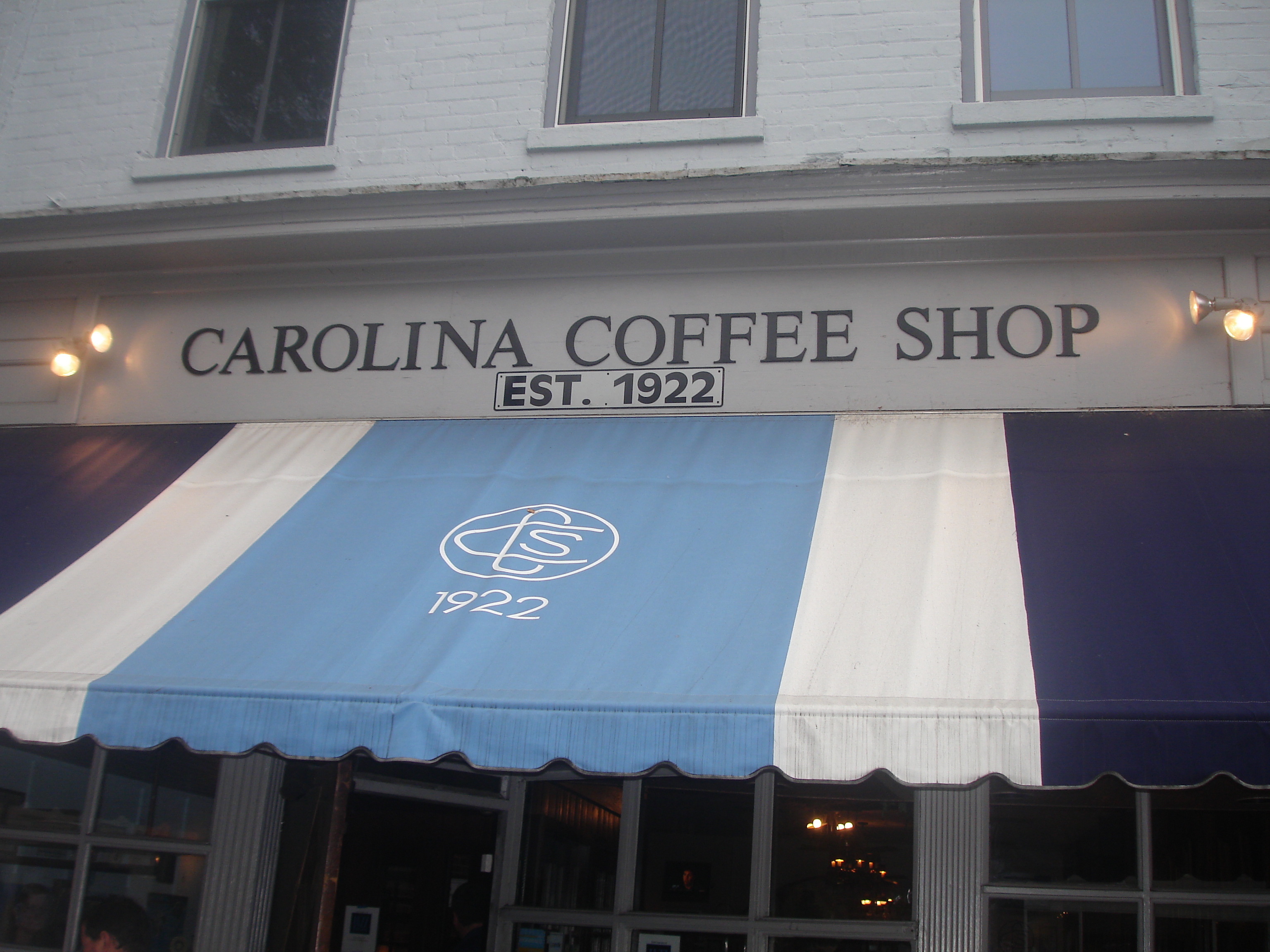
When my husband and I attended the university where we met, he was from in-state and I was from out-of-state. Compared to today, the price of tuition was a bargain for both of us, but to help pay for our expenses, we had to work during the school year and of course the summer. We got no federal aid — grants or loans. He was a sandwich maker at Sadlack’s Deli, located near Hector’s Restaurant on the corner of Henderson St. and Franklin St. I worked at Spanky’s, on the corner of Franklin and Columbia, and at the Carolina Coffee Shop, a Chapel Hill landmark and institution. Both restaurants are still open and neither have changed that much.

I was a waitress at the CCS in the late seventies while Byron Freeman owned it, and I’ve read that writer David Sedaris was also one of his employees a few years earlier. Serving breakfast, lunch and dinner as classical music played in the background, the Carolina Coffee Shop was a coffee shop before coffee shops were cool. Graduate students hung out there in groups or alone; couples went there on dates, and all kinds of students and families waited in line for a table on weekend mornings. I worked twenty hours or so a week and once served Chapel Hill visitor Alan Alda and some of his friends.

For a time, I juggled shifts at the CCS and Spanky’s to make as much money as I could while a full-time student at the university. Before we graduated, both my husband and I also worked (at different times) at another restaurant, the Country Squire, a steakhouse located between Chapel Hill and Durham; it was closed and torn down when I-40 was built where it stood.

I was able to go to France for my junior year and attend Université Paul Valéry because I was charged North Carolina, in-state tuition. Though I traveled throughout that year, I did it cheaply and watched my expenses. I never even considered going into debt to go to college, and I didn’t know many students who did.

Now, graduating with a college loan to pay off is almost ordinaire. I find that very troubling and wonder how people deal with it. When my husband and I graduated in the early 80s, we had little money but no debt. We got jobs, lived on a shoestring, and got married young, happy to be together and independent. With college costs so high today, who can work through college, pay for most of it themselves and graduate in four years with no debt? There just doesn’t seem to be a good raison why things have to be the way they are.*

When I was a student, few UNC dorms had air conditioning, not everyone owned a typewriter (I didn’t), and Michael Jordan played in Carmichael Auditorium. Professors were paid less and worked more, and fewer administrators filled offices. I suppose things have really changed.

One thing that hasn’t changed, though: you still have to pay back what you owe.

*Earlier this year, I read Higher Education?: How Colleges Are Wasting Our Money and Failing Our Kids—and What We Can Do About It by Andrew Hacker. The author examines the system and makes some very good recommendations. I hope things change.

D’habitude: routine

I like (and don’t like) my routines and habits.

A few weeks ago, I read on my iPad The Power of Habit: Why We Do What We Do in Life and Business by Charles Duhigg. You may have heard of the book — published in late February, it has remained on the New York Times non-fiction best-seller list for months. I don’t always read best-sellers (and let’s don’t even talk about the current best-selling fiction books). But this book was appealing, not because so many other people found it so, but because I was ready to examine my own habits, to keep what worked and to change what didn’t.

I’m still working on some of the changes, but I’ve successfully adopted a few of the more basic (and very important) ones. I’ve cut out almost all (diet) Cokes from my diet — for those of you non-Atlantans, Cokes = all carbonated drinks. I’ve shifted my choices of what to eat for lunch at home from whatever we had in the fridge (like leftovers) to what I ate every day as a younger mom: albacore tuna fish or cottage cheese-and-fruit — and when eating out, I’ve made much healthier menu selections. I’ve increased my weekly cardio routines from three times a week to five or six.

I’ve been doing these things not quite long enough yet for them all to feel like habits; they still feel like choices, causing me to think (see book mentioned above). But with each day, I’m getting closer, and as my husband says, it can be all right to make a different choice occasionally, as long as you get right back on your routine afterward. That’s key for me. Aside from health-related issues, however, I’ve also tried to apply what I learned about routines to my work life as a writer.

In some ways that’s been difficult, but in other ways it hasn’t. When I sat down one August to write the first draft of my first novel, d’habitude I worked every weekday from 9 am to 1 pm straight; I was finished by May but didn’t realize that revisions would take just as much work and a lot longer. Much as I know what daily and weekly habits work well for me, and even though I feel comforted (less mentally stressed?) by them, I also feel rather constricted by them. There’s a part of me that’s figure-it-out-as-I-go and, well, more creative (which is essential when writing fiction). My spontaneous, imaginative, only-as-organized-as-I-have-to-be side has always battled against my productive, organized, good-habit-keeping side. This was even the case when my children were little and my occupation was stay-at-home mother — with four kids, I had to be organized. However, I fought and surrendered to that necessity. Hopefully, no one noticed.

Now that I’m writing full-time, I’ve found that I can balance creativity and productivity while making an effort to re-institute my working routines. Dialogue and scenes (the fun part) appear in my head and on the page more easily once I’ve got the story’s plot fine-tuned. My game plan can and does change along the way, but it keeps me focused when the words aren’t coming.  Aside from a two-week vacation with mon mari this summer, I’ll continue my work schedule even when life’s demands get in the way. And I’ll enjoy (more than he will, I fear) the break in routine. I’ll get to think more, I hope, while maintaining my healthier habits.

I’d better bring some paper, a pen, and my iPad!

’til death do us part: Le mariage

During my lifetime, marriage has changed a lot.

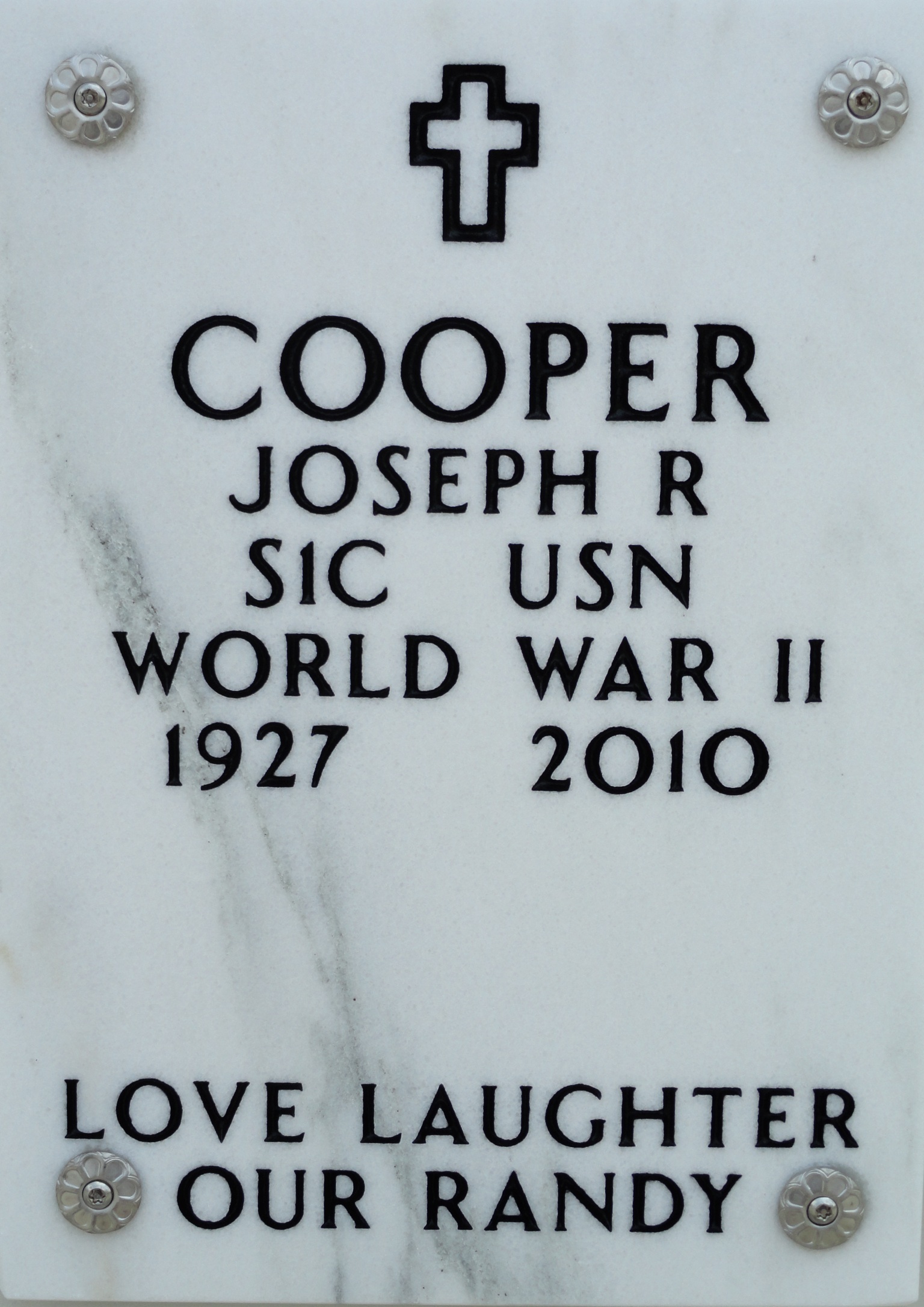
At the time my father passed away on October 31, 2010, my parents had been married for over 58 years. On Memorial Day, Mom and I drove to the Georgia National Cemetery and said a prayer together, thanking God for the gift that Dad was to her and our family, and asking for strength and courage as we learn to live without him, one day at a time.

The eighth of nine children, my father enlisted in the Navy in January 1945, two weeks prior to his eighteenth birthday and unknowing that the war would end before he saw action. He was honorably discharged in July 1946, the same year that he met my mother; he was nineteen and she was fifteen. When they married six years later, there was no money for a reception or even a wedding dress. They said their vows in church before family and friends who sprinkled them with rice as they departed to begin their life together.

Ten years ago, my siblings and I hosted a golden anniversary party for them. It was the most fun evening of my life — and that includes my own wedding day and my silver anniversary party a few years ago. Young and old attended, including my parents’ college roommates, work colleagues, neighbors, friends from church and extended family who came from long distances. My parents finally got to cut their wedding cake, toasts were made, and all who could still walk danced the night away.

Growing up, I never doubted their love for each other and for their children. They were always affectionate, relying on each other for support as they faced many trials together. They were grateful for all the joy they experienced in one another and in their family. Forgiveness and a sense of humor were two very important ingredients in their life as husband and wife.

When mom and I arrived at the cemetery last Monday, she wanted to show me the short handwritten note she had written to Dad to leave with the bouquet of red, white and blue flowers she had brought. I felt surprised and honored that she wanted me to read it. Of the two of them, Dad was the writer, and he was even more sentimental than she is. But in her note, in just a few sentences, she expressed the essence of her lifelong love for him, her devotion and her pain at losing him. She even mentioned the shorthand symbol for “I love you” that she and Dad had used when they were young — the texting emoticon of an earlier time — and that they had had made into matching pendants.

I was overcome with emotion as we placed her note in the envelope and in the bouquet and as we stood together remembering Dad. Marriage is not always easy, but two people who share a lifetime of love and laughter can still find joy and happiness.

Under the Radar: the middle child

With so many more families choosing to have just one or two kids, we middle children are getting squeezed out of the picture.

Despite the current assertion that “three is the new two,” the middle child is an anomaly these days. When I was growing up, a big family was five kids or more; three or four children was normal, and two or less was, well, small. When I got married, I wanted an even number of children (but more than two), and I’m grateful for my four. However, with twins on the first try, our third became the middle, despite my “plan.” And like his middle-child mom, he thrived in his own way, often flying under the radar.

What hasn’t changed about those of us who are neither the oldest nor the youngest child in a family? We usually leave home first, and we might even get married first (I did both). We don’t mind solitude (sometimes preferring it), and we both want and don’t want attention. We’re usually the “smart” different ones, and we like to do things our own way. While the oldest child parks lives according to the rules and the youngest seeks the spotlight (which might irritate us), we carve our own spot and make it work. We’re often the family’s peacemaker. When we choose our friends, we can be flexible; an oldest or a youngest works, but we also don’t mind one of our own — someone whom we understand completely. Ditto on choosing our mate.

It worries me (see earlier post on my glass-half-empty, worrier self) that there are so many fewer of us middle children today — at least in America and the West. What will it be like someday soon when everyone is either an oldest, youngest, or an only child? How will they all get along without us in their midst? And. . . will they miss us?

My middle child son and I are much alike, but of course we are also quite different. A few years ago he introduced me to the television comedy Modern Family, now a favorite of mine and his. We both recognized how much I was like the middle child, Alex. My older sister was like her older sister Haley, and my little brother was like Luke. It was almost uncanny. I’ve watched the show only on DVD and haven’t seen Season 3 yet, but I will soon.

Enfin, of course I can’t close without mentioning France. In July, we’ll visit deux familles français we have met through a student exchange program my daughter (the youngest) participated in during high school. Very unusual for the French, one family has five kids and the other has eight!

Vive la France!

Le verre est a moitié vide

I’m a glass-half-empty person, so no wonder I like the French.

France is a nation of pessimists, deux amies françaises averred to me this week. I asked both of them (who don’t know each other) just after I read the recent NYT piece by Jane E. Brody, A Richer Life by Seeing the Glass Half Full.

My husband, however, is a glass-half-full person– not surprising, since in many cases, opposites attract. I’ve always admired his persistence and motivation, two qualities Brody says that optimists usually exhibit. He tackles problems with a focus on solutions, looks for the good in stressful situations, and believes that somehow, everything will work out. Over the years we’ve been together, some of his positive attitudes have rubbed off on me — but not all.

I’m not always “No-we-can’t,” but of the two of us, he’s the idealist and I’m the realist (and, being me, I don’t mean that I’m a realist in a good way). I’m a worrier and always have been. Unlike Brody, I haven’t fretted over the social, political and societal issues that I couldn’t do very much about. I have fretted about family issues that I could do little or nothing to solve, plus all those other things that I could change or fix. And yes, rather than looking on the bright side, I have focused on the worst that can happen.

After reading the article, though, I decided to evaluate whether I’ve evolved from my natural negative tendencies — whether I’ve fait de progrès. As my children grow into adulthood, I think I have, at least as a mom. As a writer, I believe that I have, as well. It’s still sometimes a struggle. I’m not always inspired, but I keep trying, keep writing and keep reading. Developing habits and a routine has helped, which I’ll explain in a future post. Watching and trying to emulate my husband’s work ethic and attitudes has helped a lot, and so has stepping back to focus and re-focus on my goals.

Can I change into a glass-half-full person? I’m working on it. Optimistically, I googled the phrase and discovered a new restaurant to try the next time I’m visiting Chapel Hill: Glasshalfull located in Carrboro, N.C., the town next door. What a nice surprise — and maybe a way to pursue that richer life.

Create a website or blog at WordPress.com

Up ↑