La séduction et l’élégance: summing it up

Just after my new novel MAKE THAT DEUX was released* last week, a friend sent me this recent feature in the (UK) Telegraph Travel  titled

“36 Hours in…Montpellier” France. Its first line:

“Montpellier, the most seductive city in the French south at any time, is elegant and cultured, with an autumn sun warm enough to sit out on its squares.”

And, long ago, I did that with friends…
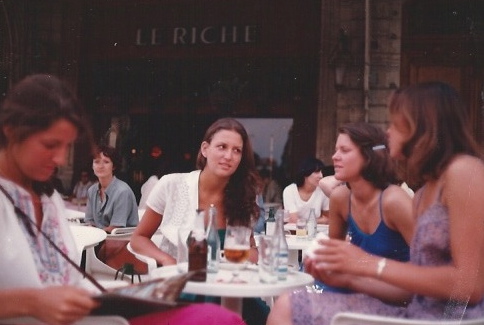
Then

Just over three months ago, I returned to Montpellier for the first time in many years. I spent 36 hours in the city and at the closest beach (in nearby Palavas-les-flots) with mon mari during our vacation. We walked by Le Riche – the café in the above photo in Place de la Comédie — but didn’t stop, because we found it crowded with summer touristes. We chose instead a quieter spot to have a drink, nearer to the city’s own Arc de Triomphe and close to Place de la Canourgue. Later, we had dinner at a tiny, elegant restaurant in the area. For so many reasons, it was the perfect place to relax and celebrate a milestone anniversary.

MAKE THAT DEUX is set in Montpellier and Palavas, and the girls in MAKE THAT DEUX explore the Montpellier of an earlier time.

Has very much changed over the years? I think this sums it up:

Oui, et non.

In their époque, unlike today, studying abroad for a year or semester was not something that many people did. A university degree was (relatively) expensive, but not ridiculous. Moving back in with your parents after college was uncommon. College kids age 18 and over could drink legally in the U.S., not just in Europe. Cigarette smoking wasn’t restricted, nor was it even unacceptable. People — including lovers — wrote letters to each other on paper, and sent them through the mail.

What hasn’t changed? Back then, like today, terrorism was a major issue, and events gripped the world stage. A democrat was in the White House. College graduates had a very hard time finding a job. But while IN college, in addition to studying, students went to parties, met new people and went out on dates. Sometimes they even fell in love.

And — like today — they didn’t tell their parents anything everything about what they were doing, especially when it involved la séduction…
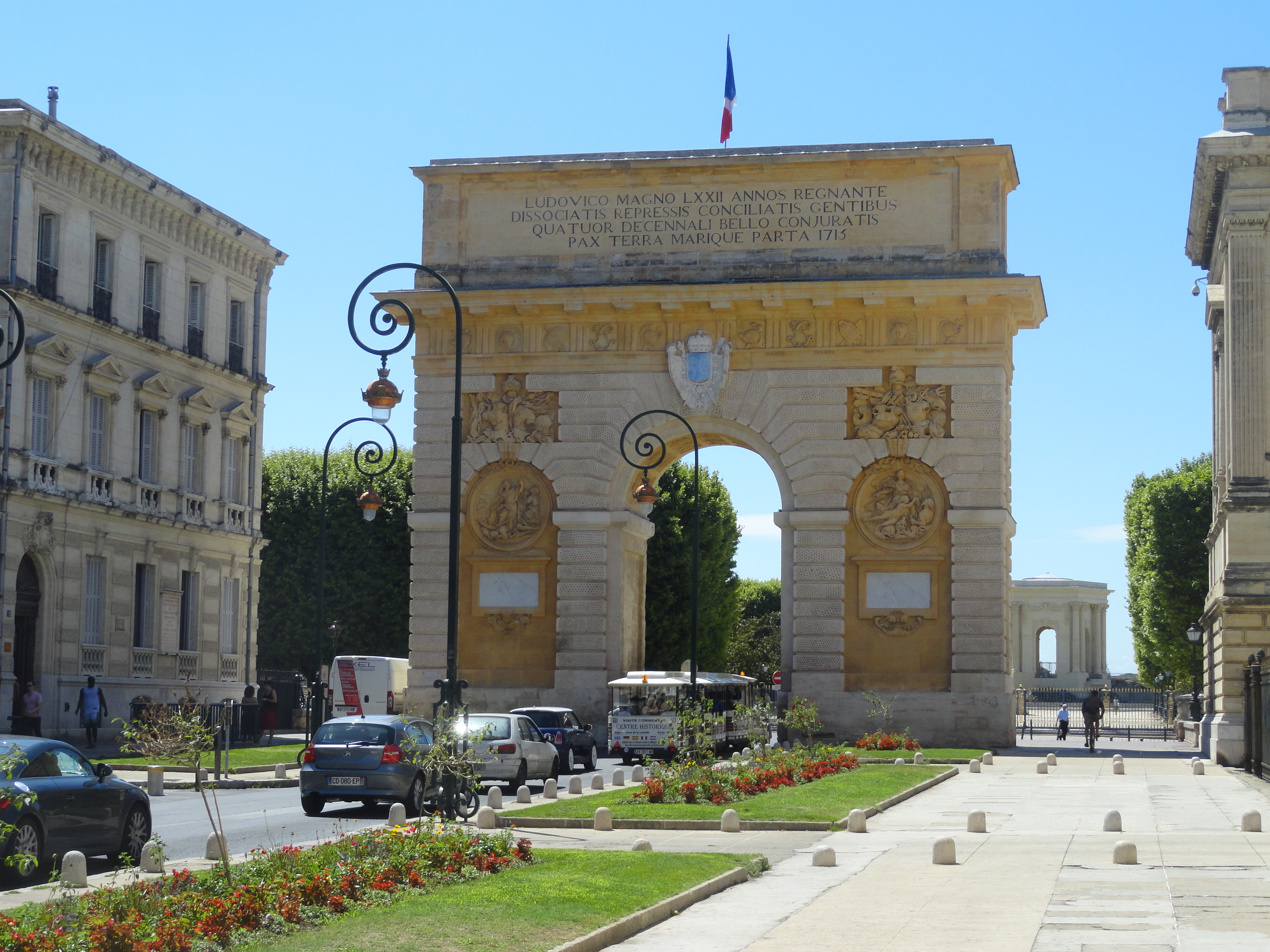
Now

* See my HOME page for how to order MAKE THAT DEUX! Merci!


Call me, maybe, but don’t break my heart: Sortir avec quelqu’un

From what I’ve seen, dating has changed since mon époque.* But I wonder why les jeunes filles gens of today sometimes make going out with someone more difficult than it used to be.

It’s been years decades since I’ve sorti avec mon copain — gone out with, or dated, my boyfriend (or any other guy – but not au même temps, of course). And though my husband and I have gone out on many a “date night” during our marriage, well, once you’re married, you’re not dating anymore.

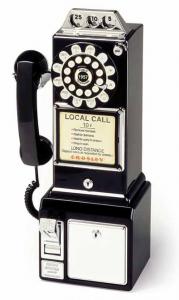
But way back when, we were dating. Normalement, he would call me, ask me out, I would say “Yes,” and we would set up a rendez-vous (date). He would call me from a “land line” or even a pay-phone similar to the one in the photo, and I would answer the phone. If he called and I didn’t answer, it meant I wasn’t there, and he would call again. When the time for our date came, I would be almost ready, and we would go to a movie or out to dinner.

I’m not one to changer d’avis (change my mind) very often, so it worked.

But back then, when a guy called and asked you out, if you said “Yes,” you didn’t cancel on him at the last minute (or even before that), unless you got sick, someone died, or you had an accident. Yes meant yes, and it didn’t mean maybe. There was no easy way to cancel, anyway, like there is today. So you just went out — and had fun.

Like lots of people, I’ve enjoyed listening to a popular song recently that demonstrates (I think) how different dating is now:

““““““““`

Hey, I just met you,

And this is crazy,

But here’s my number,

So call me, maybe?

““““““““`

Hmm. Is she going to answer the call, I wonder? When I first heard those lines, it reminded me of a song that mon copain at UNC and I liked, featuring these lines:

““““““““““““““““““““““““`

Why do you build me up (build me up) Buttercup, baby 

Just to let me down (let me down) and mess me around 

And then worst of all (worst of all) you never call, baby 

When you say you will (say you will) but I love you still 

I need you (I need you) more than anyone, darlin’ 

You know that I have from the start 

So build me up (build me up) Buttercup, don’t break my heart 

“““““““““““““““““““““““““““

In my novel — about to be released — characters go on dates, and (because they live in a time before cell phones, or even answering machines) they don’t stand up their dates. They live up to their commitments, even if they’ve only committed to Saturday night. “Oui” means “Yes.”  

And like today, no one wants a broken heart.

* Autrefois, or back in MY day

Create a website or blog at WordPress.com

Up ↑